 Pin
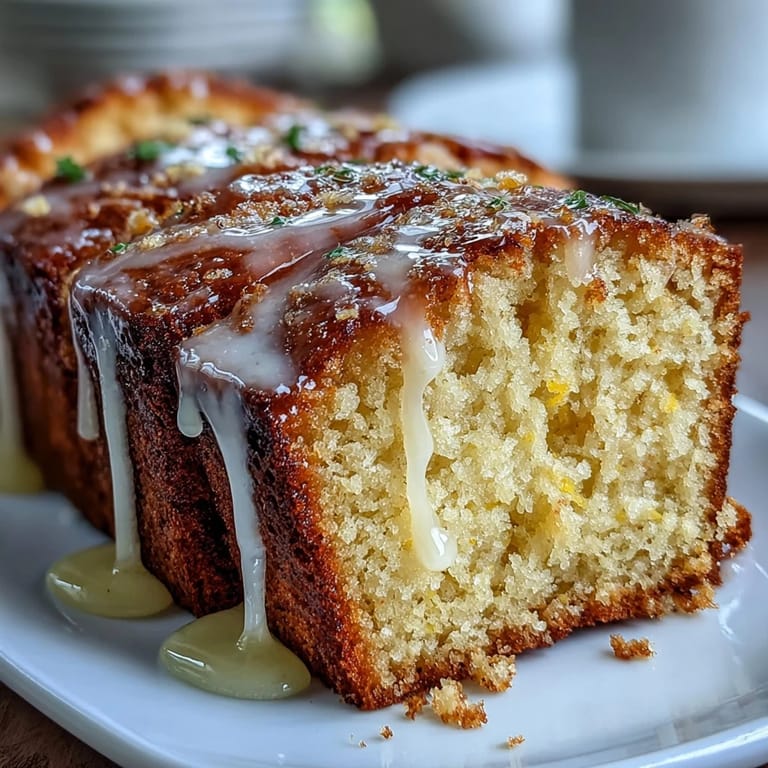
Pin My neighbor Maria handed me a small glass bottle of homemade Limoncello one summer evening, the kind she'd made in her Italian grandmother's kitchen for decades. She insisted I bake something with it, and I stood there holding that golden liquid, wondering what could possibly do it justice. That's when I decided on a pound cake—something sturdy enough to carry the bright, boozy flavor without getting lost, something that would make people close their eyes on first bite. This cake became the answer to that moment, a way to honor both her generosity and that peculiar magic of lemons and spirits combining into something unexpectedly comforting.
I made this cake for the first time when my daughter mentioned she'd been craving something citrusy and light, something that didn't feel heavy on a warm afternoon. Watching her face light up when she bit into a slice, the glaze still catching the kitchen light—that's when I knew this recipe was worth keeping close. Every time I bake it now, I think of that afternoon and how the simplest desserts often carry the biggest moments.
Ingredients
- All-purpose flour: Use the weight measurement if you have a scale, as it's more reliable than cups and prevents a dense cake.
- Baking powder: Make sure it's fresh—old baking powder won't give you that tender crumb you're after.
- Unsalted butter: Letting it soften to room temperature is non-negotiable; cold butter won't cream properly and you'll feel the texture suffer.
- Granulated sugar: This is where the cake gets its structure and that subtle sweetness that balances the tartness of the lemon.
- Eggs at room temperature: They emulsify better and create a lighter, more voluminous batter—take them out of the fridge 30 minutes before starting.
- Lemon zest and juice: Fresh lemons only; bottled juice tastes tinny and defeats the whole purpose of this cake.
- Limoncello liqueur: This is the soul of the cake, giving it that distinctive bright warmth that makes people ask for the recipe.
- Whole milk at room temperature: Cold milk can seize the batter, so let it sit out beforehand.
- Powdered sugar: Sift it before mixing the glaze to avoid lumps that ruin the smooth finish.
- Lemon zest for the glaze: This final touch of brightness makes the difference between a good cake and one people remember.
Tired of Takeout? 🥡
Get 10 meals you can make faster than delivery arrives. Seriously.
One email. No spam. Unsubscribe anytime.
Instructions
- Heat your oven and prepare:
- Set the oven to 350°F and take a moment to grease and flour your Bundt pan thoroughly—this cake is delicate and needs help releasing cleanly. If you're using a loaf pan, line it with parchment instead for easier handling.
- Combine your dry ingredients:
- Whisk the flour, baking powder, and salt together in a bowl, making sure everything is evenly distributed so you don't end up with pockets of baking powder later. Set it aside and resist the urge to sift unless you really love extra steps.
- Cream butter and sugar:
- Beat them together for about 3-4 minutes until the mixture looks pale and fluffy—you'll actually hear a change in sound when it's right, becoming lighter and more airy. This is where the magic starts, creating tiny air pockets that make the cake tender.
- Add eggs one at a time:
- After each egg, beat well before adding the next one, which helps them incorporate evenly and prevents a greasy crumb. You should see the mixture get slightly lighter and fluffier with each addition.
- Mix in the lemon and Limoncello:
- Add the zest, lemon juice, Limoncello, and vanilla extract, beating until everything is combined and fragrant. This is when your kitchen starts smelling like you've made something special.
- Alternate flour and milk:
- Start with some flour, then milk, then flour again, ending with flour—this prevents the batter from getting too wet and breaking. Beat only until just combined, because overmixing develops gluten and makes the cake tough instead of tender.
- Pour and bake:
- Transfer the batter to your prepared pan and smooth the top gently with a spatula. Bake for 50-55 minutes until a toothpick inserted into the center comes out clean or with just a few moist crumbs.
- Cool with patience:
- Let the cake rest in the pan for 15 minutes before turning it out onto a wire rack to cool completely. Patience here prevents cracks and ensures the cake sets properly.
- Make the glaze:
- Whisk together the sifted powdered sugar, lemon juice, optional Limoncello, and zest until you get a smooth, pourable consistency—not too thick or it won't drape nicely. Add lemon juice slowly so you don't end up with something too thin.
- Finish with the glaze:
- Once the cake is completely cool, drizzle the glaze over the top and let it set for at least 30 minutes before slicing. This final step is what makes people's eyes light up before they even taste it.
 Pin
Pin There's something quietly powerful about a cake that tastes like a memory before you've even made it—like you're baking something that somehow already matters. This Limoncello pound cake does that, turning butter and eggs and a splash of Italian liqueur into moments worth sharing.
Why This Cake Works Year-Round
Spring gatherings get a sophisticated dessert without pretension, summer afternoons feel lighter with a slice and coffee, and even winter dinners brighten up when someone brings this golden cake to the table. The Limoncello keeps it from ever feeling heavy or cloying—instead it tastes almost refreshing, which surprises people in the best way. I've learned that the best desserts are the ones that fit into life as easily as they fit on a plate.
Variations That Keep Things Interesting
If you want to skip the alcohol entirely, replace the Limoncello with extra lemon juice and add a pinch more zest for brightness. Some people garnish with candied lemon peel or thin lemon slices, which looks beautiful and adds texture—I've done both and there's no wrong choice. You could also brush the warm cake with a simple lemon syrup before glazing if you want it extra moist, though the original is already surprisingly tender.
Serving Suggestions and Storage
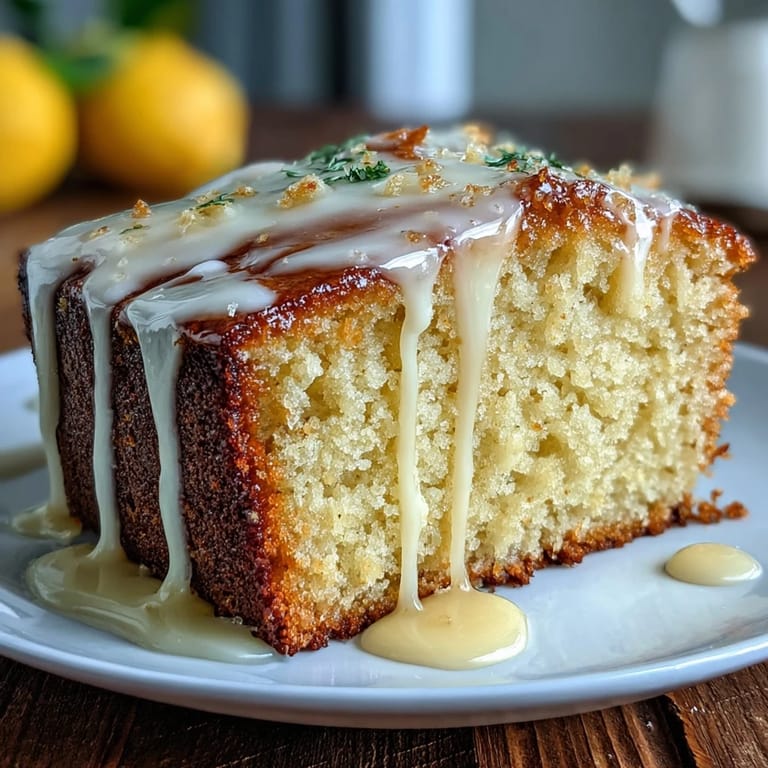
This cake slices best when completely cool and sits beautifully on a plate with fresh berries alongside—raspberries especially look and taste perfect next to it. Wrapped well, it keeps for three days on the counter and actually improves slightly as the flavors meld, though it rarely lasts that long. If you're baking ahead, make the cake a day early but glaze it the morning of serving so the glaze stays fresh and glossy.
- Serve with whipped cream or Greek yogurt for a lighter touch.
- A small glass of Limoncello on the side makes the pairing official and elegant.
- Room temperature slices taste better than chilled ones—give it 10 minutes if you've refrigerated it.
 Pin
Pin Make this cake for someone you want to impress or simply for yourself on an afternoon when you need something beautiful on the counter. It's one of those recipes that rewards you twice—once while it's baking and filling your kitchen with citrus and warmth, and again when people taste it.
Recipe Questions
- → Can I make this without Limoncello?
Yes, replace Limoncello with extra fresh lemon juice to maintain the citrus flavor without alcohol.
- → What type of pan is best for baking?
A 10-cup Bundt or standard loaf pan works well to ensure even baking and good shape.
- → How do I know when the cake is done?
Insert a toothpick into the center; it should come out clean or with a few moist crumbs attached.
- → Can I prepare the lemon glaze ahead of time?
Yes, the glaze can be made a few hours in advance and stored covered at room temperature.
- → What is the best way to store leftovers?
Wrap the cooled cake tightly and keep it at room temperature for 2 days or refrigerate for up to 5 days.
- → Are there any allergen considerations?
This cake contains wheat, eggs, and dairy. Check ingredients carefully if substituting.