 Pin
Pin There's something about a Tuesday night when the pantry feels empty but you remember that box of ditalini hiding in the back. I'd made this dish on a whim a few years ago when my partner came home tired from work, and suddenly the simplest combination of butter, garlic, and peas turned into the kind of meal that felt like a warm hug. Now it's become my go-to when I need something honest and filling without fussing around for hours.
I made this for my roommate's surprise birthday dinner once, and the best part wasn't the fancy dessert I'd stressed over—it was watching them dig into this simple pasta with actual joy. Something about butter and garlic has this way of making people feel cared for, even when the recipe is embarrassingly easy.
Ingredients
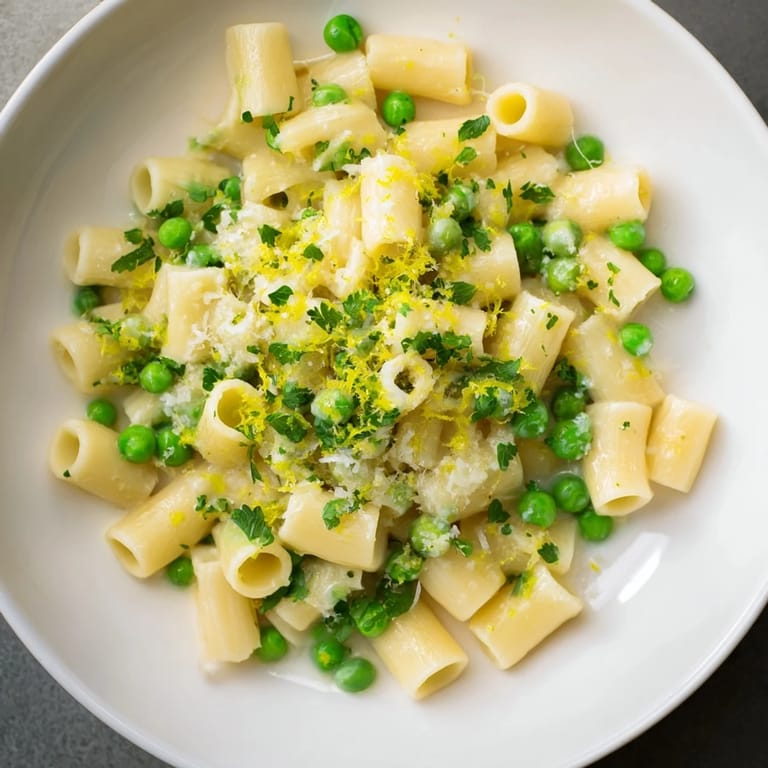
- Ditalini pasta (300 g): These tiny tube shapes are perfect because they catch the butter sauce in all their little crevices instead of just coating the outside. You can swap in elbow pasta or small shells if that's what you have.
- Unsalted butter (4 tablespoons): This is your foundation, so don't skimp or use margarine—real butter makes the whole difference.
- Garlic cloves (4 large, minced): Mince them finely so they distribute evenly and become almost silky in the hot butter.
- Frozen peas (1 cup): Keep them frozen until the very last second; they'll warm through quickly and stay bright and tender.
- Parmesan cheese (1/3 cup grated): Freshly grated is worlds better than the pre-grated stuff, and it melts into the sauce like magic.
- Black pepper and red pepper flakes: Start small with these; you can always add more but you can't take it out.
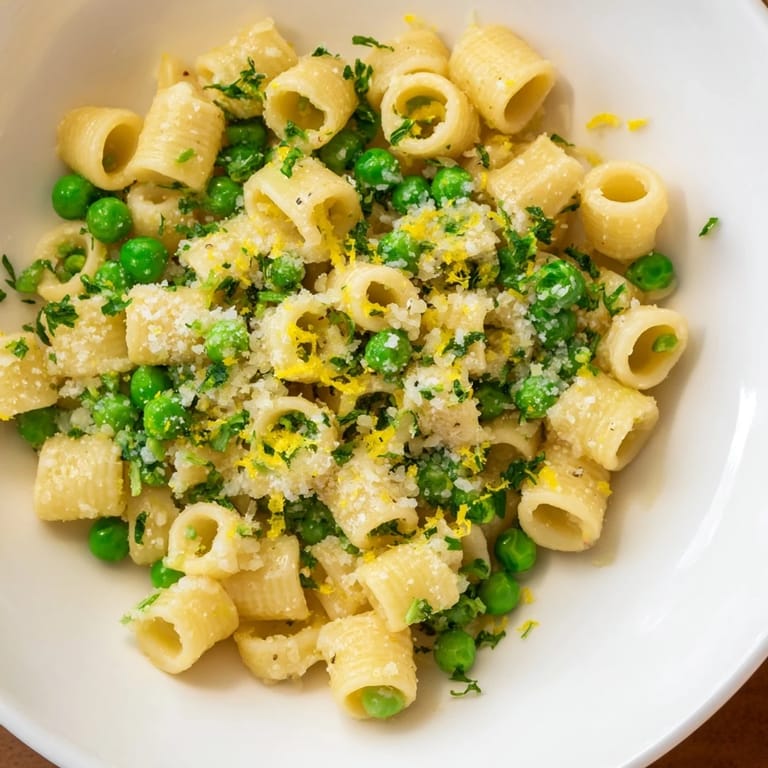
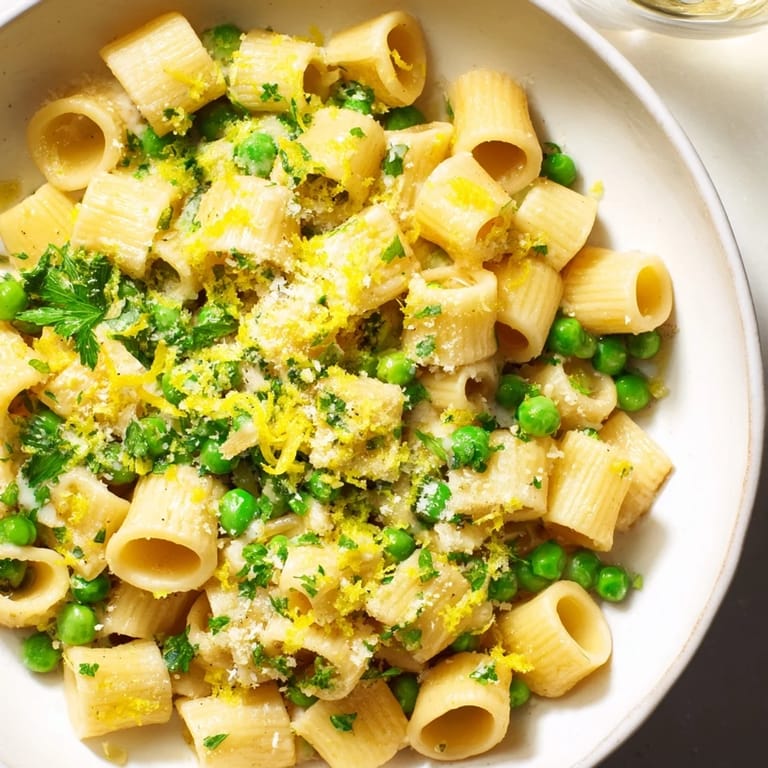
- Fresh parsley and lemon zest (optional): These seem fancy but they're just garnish that lifts everything up at the end.
Tired of Takeout? 🥡
Get 10 meals you can make faster than delivery arrives. Seriously.
One email. No spam. Unsubscribe anytime.
Instructions
- Get the water going and cook your pasta:
- Bring a big pot of salted water to a rolling boil, then add your ditalini and stir it occasionally so nothing sticks. Cook until it's just al dente—tender but with a tiny bit of resistance when you bite it. Before you drain, scoop out about half a cup of that starchy cooking water and set it aside; you'll need it to loosen the sauce later.
- Make a simple garlic butter base:
- Melt the butter in a large skillet over medium heat and add your minced garlic. You want it to smell incredible but never turn brown, which happens fast, so keep the heat moderate and don't walk away.
- Warm the peas gently:
- Stir in those frozen peas and let them heat through for just a couple of minutes until they're bright green and tender. They'll release a little moisture, which is perfect.
- Bring it all together:
- Add your drained pasta to the skillet along with the black pepper and red pepper flakes if you're using them. Toss everything until the pasta is coated in that golden butter, adding a splash of reserved pasta water if it looks dry.
- Finish with cheese and brightness:
- Pull it off the heat, then stir in your grated Parmesan, parsley, and lemon zest. The residual heat will melt the cheese into a silky coating while keeping it from turning grainy.
 Pin
Pin I once made this for my nephew who claimed he hated peas, and he ate seconds without realizing they were even in the bowl. That's when I understood this isn't really a pea dish or a pasta dish—it's about butter and garlic doing something almost magical together.
Why Butter and Garlic Matter
The beauty of this recipe is that it relies on technique rather than a long ingredient list. When you melt butter and cook garlic low and slow, the flavors become mellow and sweet instead of sharp and raw. This sauce isn't heavy—it's silky and light, which is why it doesn't overwhelm the tender pasta. The pasta water you stir in is doing real work too, emulsifying everything into something more than just buttered noodles.
Flexibility and Variations
The real genius of this dish is how it accepts changes without losing its soul. I've made it with crispy bacon crumbled on top, with leftover roasted chicken stirred in, even with a handful of spinach wilted into the heat of the pasta. One friend adds a pinch of nutmeg and swears by it, while another keeps it austere and pure. The frozen peas aren't precious either—fresh green beans, asparagus, or even broccoli work if that's what lives in your kitchen.
Last-Minute Thoughts
Taste it before you serve it, because pasta water and cooking times shift based on your altitude, your stove, your pasta brand, and about a hundred other tiny variables. Seasoning is personal, so trust your palate more than any recipe written down. This is food that wants to be adjusted and made your own, so don't be afraid to tinker.
- Grate your Parmesan fresh right before you serve; it melts better and tastes a thousand times brighter.
- Keep a wedge of Parmesan on the table so people can add more if they want to—this dish is generous that way.
- Leftovers actually improve in the fridge overnight as the flavors mellow and marry together, though they'll need a splash of water and a quick reheat.
 Pin
Pin This is the kind of dish that reminds you why people cook in the first place—not to impress anyone, just to create something warm and honest that tastes like care. Make it for someone on a Tuesday night and watch what happens.
Recipe Questions
- → What is the best way to cook ditalini pasta for this dish?
Boil ditalini in salted water until just al dente, then reserve some pasta water before draining to help create a silky sauce.
- → Can frozen peas be used directly without thawing?
Yes, frozen peas can be added straight to the skillet and cooked briefly to preserve their bright color and sweetness.
- → How can I make this dish vegan-friendly?
Substitute butter with plant-based alternatives and replace Parmesan with nutritional yeast or omit it entirely.
- → What enhances the flavor of the garlic butter sauce?
Minced garlic sautéed gently in butter, paired with a pinch of black pepper and optional red pepper flakes, creates a rich and aromatic base.
- → Is lemon zest necessary, and what does it add?
Lemon zest is optional but adds a bright, fresh note that balances the richness of the butter and cheese.