 Pin
Pin I still remember the summer my neighbor taught me the art of the grazing board at his annual Fourth of July cookout. I arrived thinking I'd help with side dishes, but instead found myself mesmerized watching him orchestrate an entire feast on a single wooden canvas—meats kissed by smoke, vegetables charred to perfection, and bowls of creamy dips nestled between towers of bread. That day, I realized a grazing board wasn't just food; it was an invitation for everyone to gather close, build their own plate, and feel like they were part of something special. Now, whenever I fire up the grill for friends and family, I'm recreating that same magic.
The first time I served this board to my in-laws, I watched my mother-in-law's eyes light up as she loaded her plate with grilled eggplant and a thick slice of short rib. She came back for seconds, then thirds, and that's when I knew this recipe was something I'd be making forever. It became the centerpiece of every gathering after that—birthdays, anniversaries, random summer Saturdays—because it has this magical ability to make everyone feel both nourished and celebrated.
Ingredients
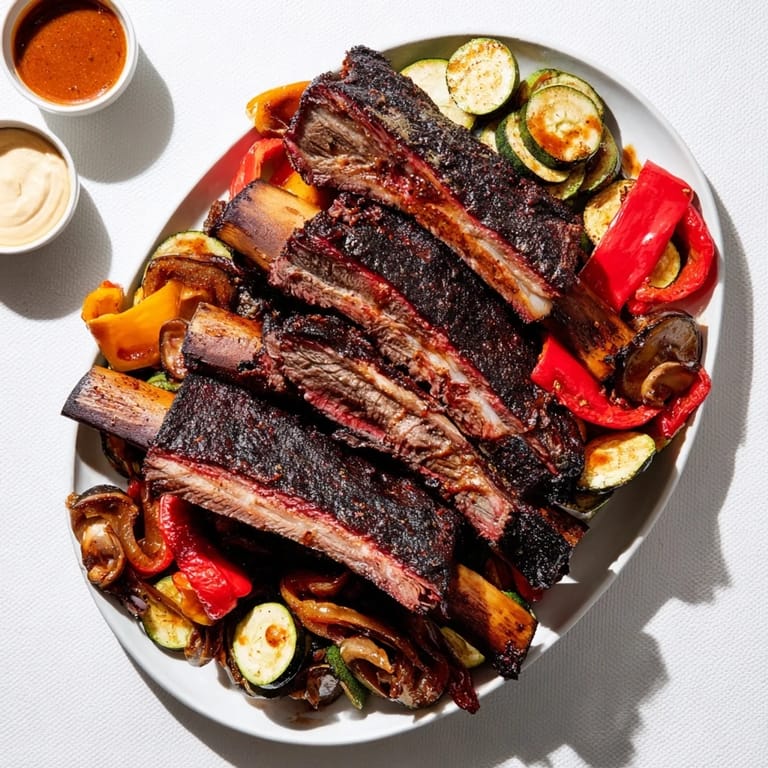
- Bone-in beef short ribs (1.5 kg): These are the anchor of your board. The bone conducts heat evenly and imparts incredible flavor, plus watching guests gnaw on them tells you everything about how much they're enjoying themselves. Don't skip the bone.
- Boneless chicken thighs (1 kg): Thighs stay juicy where breasts dry out, and they have this beautiful golden color when they hit the grill. They're more forgiving than breasts, which I learned the hard way.
- Large sausages (4): Pick whatever calls to you—beef, pork, or plant-based. They're the easiest thing on the grill and always disappear first.
- Olive oil (½ cup for marinade, ⅓ cup for basting): Quality matters here because it's the base that carries all your seasonings into the meat. Use something you wouldn't mind drizzling on bread.
- Apple cider vinegar (¼ cup): This adds brightness and helps tenderize the meat. The sweetness plays beautifully with the smoke.
- Brown sugar (3 tbsp): It caramelizes on the meat, creating that glossy, mahogany exterior that makes everything look irresistible.
- Smoked paprika (2 tbsp): This is what gives the marinade its backyard BBQ soul. Don't use regular paprika; the smoke matters.
- Garlic powder, onion powder (2 tbsp each): Reliable flavor builders that dissolve into the marinade and coat every inch of meat.
- Kosher salt (1 tbsp): Kosher salt dissolves beautifully in the marinade and seasons more evenly than table salt.
- Freshly ground black pepper (1 tsp): Fresh pepper has so much more character than pre-ground. You can taste the difference.
- Chili flakes (1 tsp, optional): A subtle heat that builds as you eat. I always include them because guests who don't want spice can simply avoid them.
- Bell peppers (3 large, red): Red peppers are sweeter than green ones and caramelize beautifully. Slice them thick so they stay whole on the grill.
- Red onions (2 large): The heat of the grill transforms their sharp edge into something sweet and silky. Cut them into thick rounds so the rings stay intact.
- Zucchini, eggplant (2 each): Thick rounds are key—thin slices will fall apart or turn mushy. These vegetables drink up the herb oil and develop incredible depth.
- Portobello mushrooms (2 large): Remove the stems and treat them like steak. They're meaty, substantial, and absorb smoke like little sponges.
- Corn (2 ears): Halve them lengthwise so they have a flat surface for grill marks. The sweetness becomes almost caramel-like when charred.
- Fresh rosemary and thyme (1 tbsp each): These herbs in the basting oil are what give the vegetables their sophisticated, woodsy flavor. Fresh is non-negotiable here.
- Smoky barbecue sauce (1 cup): Use something you genuinely love—store-bought is fine, but this is the flavor that ties everything together.
- Creamy ranch dip (1 cup): It sounds simple, but its cool creaminess against hot vegetables is magical. It's the comfort food dip.
- Roasted garlic hummus (1 cup): For the guests who want something lighter or more adventurous. The roasted garlic brings warmth without heaviness.
- Sourdough bread (1 large loaf): Thick slices of good bread are half the meal. Sourdough's tang complements the smoky flavors perfectly, and it's sturdy enough to hold toppings.
- Assorted pickles (2 cups): The acidity cuts through the richness of meat and dips. Use a mix—dill, bread and butter, spicy—so everyone finds their preference.
- Cherry tomatoes, baby carrots, radishes: These bright, crisp vegetables balance the warm, smoky elements and add visual pops of color to your board.
Tired of Takeout? 🥡
Get 10 meals you can make faster than delivery arrives. Seriously.
One email. No spam. Unsubscribe anytime.
Instructions
- Make Your Marinade and Soak the Meat:
- Whisk together your oil, vinegar, brown sugar, and all those beautiful spices in a large bowl until the brown sugar dissolves completely and everything turns glossy. Pat your beef ribs and chicken dry with paper towels—this matters more than you'd think, because dry meat grabs the marinade and holds it tight. Nestle everything into that fragrant mixture, turning it around to coat every surface. Cover and refrigerate for at least an hour, but honestly, overnight transforms the meat. The longer it sits, the deeper the flavor goes and the more tender everything becomes. Before you sleep, take a peek and admire the glossy, mahogany-colored meat. That's the marinade doing its magic.
- Ready Your Vegetables:
- Wash and dry every vegetable until they're completely moisture-free—this helps them grill evenly and get those beautiful caramelized edges. Cut everything thick: quarters for peppers, chunky rounds for onions, ¾-inch rounds for zucchini and eggplant. These hefty cuts stay whole and develop a smoky crust instead of collapsing into mush. Pop those portobello stems off (save them for stock if you're feeling resourceful) and halve your corn lengthwise. In a small bowl, mix your olive oil with those fresh herbs, salt, and pepper. Taste it on your fingertip—it should taste herby and bright, like a whisper of an Italian garden.
- Fire Up the Grill:
- Get your grill roaring hot—aim for that medium-high heat, around 400–450°F if you're checking. If you're using charcoal, let it burn down until the coals are mostly white on the edges. Scrub those grates with a grill brush until they're nearly shiny, then oil them with a paper towel dipped in neutral oil, held firmly in tongs. You want that grill clean and slick. Test the heat by carefully holding your hand about 4 inches above the grate—you should only be able to hold it there for about 3–4 seconds. When a drop of water hits the grate, it should sizzle and dance away immediately.
- Grill the Meats with Patience:
- Pull your ribs from the marinade, letting the excess drip off so you don't cause flare-ups. Lay those beef ribs down bone-side first, close the lid, and let them cook. Every 10 minutes, flip them over. Don't rush this—ribs need about 35–45 minutes total, and you want to watch them turn from brick-red to deep brown with charred edges. They should smell absolutely incredible, like a barbecue joint on a summer evening. Use a meat thermometer to check for doneness: you're aiming for around 195°F internally. The meat should feel tender when you poke it. Once the ribs are nearly done, add your chicken thighs and sausages. Chicken gets 6–8 minutes per side until the skin is golden and crispy and the juices run clear—no pink hiding anywhere. Sausages take about 10–12 minutes total, turning frequently so they brown evenly on all sides. Here's a secret: never press down on your meat while it cooks. That squeeze just pushes out all the juices you're working to preserve. When everything's done, tent it loosely with foil and let it rest for 10–15 minutes. That resting period is when the real magic happens—all those juices redistribute and settle back into the meat, making every bite more tender and flavorful.
- Grill the Vegetables Until They're Charred and Tender:
- Brush your vegetables generously on all sides with that herb oil—don't be shy. You want every surface glistening. Lay them on the grill in a single layer. If you're crowded, work in batches. Bell peppers need 4–5 minutes per side until their skins blister and blacken slightly. Onion rounds take 4–6 minutes per side until they're soft and caramelized at the edges. Zucchini, eggplant, and mushrooms want 3–4 minutes per side—you're looking for deep grill marks and tender flesh that still holds its shape. Corn goes longer, about 5–7 minutes total, and you rotate it every 2 minutes or so for even browning. The kernels should be golden and dotted with char. As each vegetable comes off the grill, the whole backyard smells like a summer dream—smoky, herby, warm. Let vegetables sit for a moment before arranging them so the heat settles.
- Build Your Board with Abundance and Style:
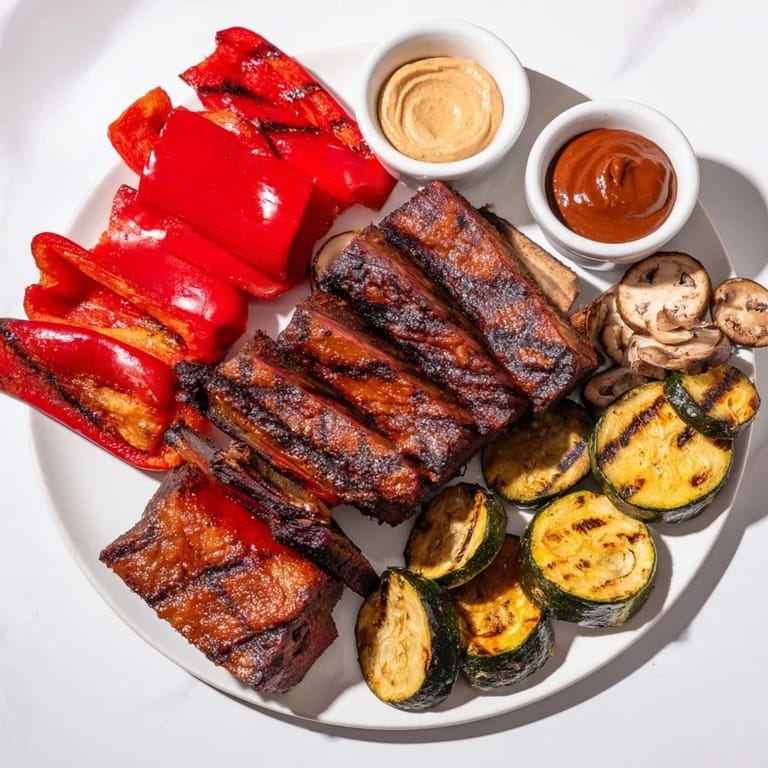
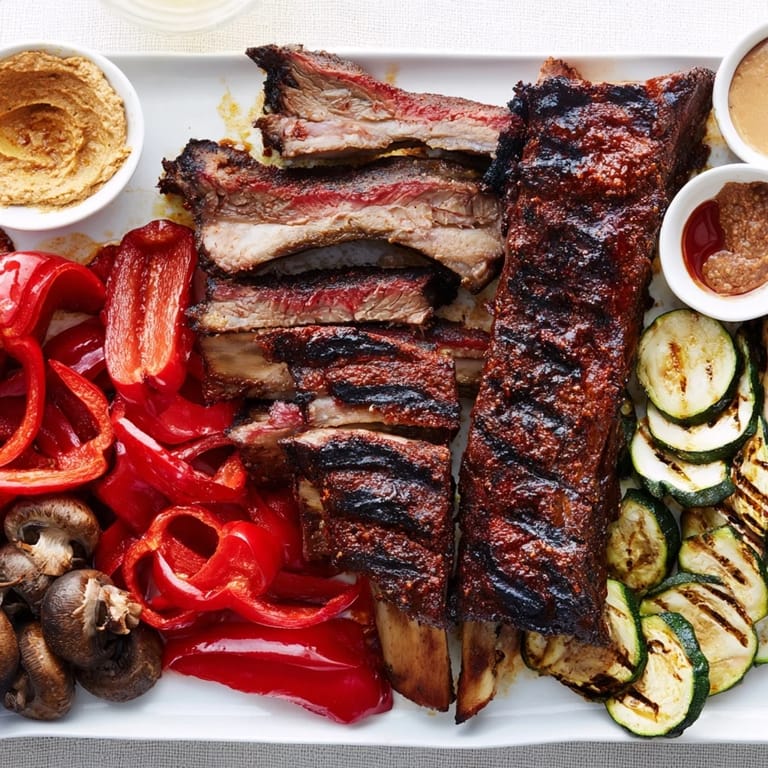
- Now for the fun part. Find a large, sturdy wooden board or platter—something that feels substantial because your food is substantial. Start at the center with your star: the grilled meats. Slice your chicken and sausages on a bias so each piece shows off those beautiful grill marks. Arrange them in generous, overlapping piles. Don't be cautious; this should look abundant. Now ring that meat with your vegetables, keeping similar colors and types together for ease—all the peppers over there, corn standing at attention here, mushrooms in their own pile. Place your dips in small bowls nestled into the board. This is where the board gets personal—add your bread in thick slices, pile pickles in little mounds, scatter cherry tomatoes, baby carrots, and radishes around the edges. Step back. Your board should make people want to pull up a chair immediately. It should look like someone who knows how to celebrate just gathered everything that matters on one surface.
- Serve with Joy and Hospitality:
- Bring that board to the table while everything is still warm, while the steam is rising and the aromas are filling the air. Encourage people to build their own plates, to mix and match, to try combinations they've never thought of before. Someone might pair short rib with ranch dip, someone else will pile their plate with grilled vegetables and hummus. That's the beautiful thing about a grazing board—it invites everyone to be their own chef. If you need to keep things warm, loosely tent with foil for up to 20 minutes. Sit down. Look around. This is what feeding people is about.
 Pin
Pin I'll never forget the moment when my eight-year-old built his first plate from the board, carefully selecting his favorite pieces of meat, drizzling ranch on a slice of bread, and sitting down to eat something he'd watched me cook from start to finish. He looked at me and said, 'This tastes like summer,' and that's when I understood that this recipe is really about more than feeding people—it's about creating memories where food and love are the same thing.
The Art of Timing
One of the greatest gifts of a grazing board is that you can prepare almost everything hours in advance. Marinate your meats the night before. Chop your vegetables in the morning. Make your herb oil. When your guests arrive, you're really just grilling—which is meditative, manageable, and gets you outside where the party already is. The key is staging: line up your meats by cooking time so nothing sits around waiting. Short ribs go on first because they need the longest time. Sausages and chicken join them later. Vegetables get their moment when the meats are nearly done. This rhythm means everything comes off the grill hot and ready at almost the same moment, and you slide it all onto your beautiful board while the smoke is still rising.
Why Thickness Matters More Than You Think
There's a reason restaurant boards feature such substantial vegetables and meats—thin things cook too fast and turn either raw inside or burnt outside. Thick cuts have time to develop flavor through caramelization while staying juicy inside. I learned to cut vegetables at least ¾-inch thick, and sometimes even thicker. This isn't laziness; it's strategy. Those hefty rounds of zucchini or eggplant act like tiny steaks, developing a charred exterior while the inside stays tender. Bell pepper quarters stay whole and don't collapse. Thick sourdough slices can hold toppings without falling apart. Same with meats—bone-in ribs take longer but reward you with flavor and tenderness. Chicken thighs stay juicer than breasts because they have more fat to protect them. Every thickness decision is about creating the best possible eating experience.
Customizing Your Board for Your Crowd
The skeleton of this recipe never changes, but the details shift based on who's coming. If you have vegetarian guests, marinate halved portobello mushrooms and thick slices of tofu the same way as the meat—they'll develop that same smoky, caramelized exterior. Swap the ranch for hummus or a cashew cream if you need dairy-free options. Use different dips: smoked pimento cheese, harissa yogurt, garlic aioli, or even miso butter for adventurous eaters. If someone's gluten-free, bring gluten-free bread or skewers for them to build with. The vegetables are naturally flexible—swap zucchini for asparagus in spring, add halved red onions or thick-sliced leeks. This isn't a rigid formula; it's a structure that holds whatever your guests need and whatever looks beautiful at your market.
- Remember that caramelization is your friend—it's what transforms simple grilled vegetables into something special.
- Keep your dips cold and separate from hot foods so they stay creamy and don't melt.
- Fresh bread sliced just before serving is a small detail that makes a noticeable difference in every bite.
 Pin
Pin Every time I arrange this board, I'm recreating that summer day when I learned that feeding people well is really about showing them they matter enough to deserve your attention, your time, and your skill. That's the whole recipe right there.
Recipe Questions
- → What meats are best for this BBQ board?
Bone-in beef short ribs, boneless chicken thighs, and assorted sausages provide a variety of flavors and textures, allowing for a smoky, richly charred centerpiece.
- → How do you prepare the vegetables for grilling?
Vegetables like bell peppers, onions, zucchini, eggplants, mushrooms, and corn are cut into thick, uniform pieces and brushed with an herb-infused basting oil to ensure even cooking and deep caramelization.
- → What is the purpose of marinating the meats?
Marinating enhances flavor depth and tenderness by allowing the meats to absorb a mixture of olive oil, vinegar, spices, and seasoning, resulting in a deeply flavored crust when grilled.
- → How long should meats rest after grilling?
Resting the grilled meats loosely covered with foil for 10–15 minutes redistributes the juices, ensuring succulent and tender slices when served.
- → What dips complement the grilled meats and vegetables?
Smoky barbecue sauce, creamy ranch dip, and roasted garlic hummus add layers of flavor and creaminess, providing rich contrast to the smoky, charred components on the board.
- → Can this board be adapted for vegetarians?
Yes, substituting tofu or tempeh for meats and maintaining the marinade and grilling process offers a satisfying vegetarian alternative without sacrificing smoky flavor.