 Pin
Pin My neighbor showed up one summer afternoon with a bag of fresh guavas from her tree, and I had no idea what to do with them beyond eating them plain. She casually mentioned her abuela's trick of turning them into a sauce for grilled chicken, and something clicked—why not make it a barbecue sauce without the usual ketchup crutch? That first batch was pure curiosity, but the moment that glossy, tropical-spiced sauce hit the grill, I knew I'd stumbled onto something special.
I brought a jar to a backyard cookout, and watching someone taste it for the first time—that moment when their eyes go wide and they ask what's in it—never gets old. One friend asked if I'd opened a restaurant overnight, and another immediately wanted the recipe to impress their in-laws.
Ingredients
- Guava paste: The heart of this sauce; it's concentrated tropical sweetness and slight tartness that ketchup could never achieve, and chopping it up helps it dissolve faster into the other flavors.
- Apple cider vinegar: This cuts through the richness with brightness and adds tang that makes your mouth water before you even taste the meat.
- Yellow onion: Finely chopped, it disappears into the sauce but leaves behind a gentle sweetness that rounds out the spice.
- Garlic: Three cloves minced creates depth without overpowering; any less and the sauce feels one-dimensional.
- Olive oil: Just enough to soften the aromatics and carry the heat of the spices.
- Smoked paprika: This is the silent star that gives the whole thing a grilled, smoky character even before it touches your grill.
- Cumin: Ground cumin adds earthiness and works beautifully with guava in a way most people don't expect.
- Chili powder and red pepper flakes: A gentle heat that builds rather than shouts; adjust based on your comfort level.
- Allspice and cinnamon: These warm spices whisper Caribbean influence and tie the whole sauce together with an unexpected sweetness.
- Brown sugar and molasses: They deepen the color and add complexity; the molasses especially gives it a barbecue credibility.
- Dijon mustard: One tablespoon provides tang and helps emulsify the sauce into something glossy and clingable.
- Soy sauce or tamari: This is your secret weapon for umami depth that makes people wonder what's making it taste so complete.
Tired of Takeout? 🥡
Get 10 meals you can make faster than delivery arrives. Seriously.
One email. No spam. Unsubscribe anytime.
Instructions
- Wake up the aromatics:
- Heat olive oil in a medium saucepan over medium heat, then add your chopped onion. You'll hear a gentle sizzle—that's your cue that things are happening. Sauté for 3 to 4 minutes until the onion softens and turns translucent, then add minced garlic and cook for just one more minute until the kitchen smells like a proper cooking situation.
- Introduce the guava and acid:
- Pour in your guava paste (chopped into chunks helps here), water, and apple cider vinegar. Stir constantly and watch as the guava slowly dissolves into the liquid, turning the whole pot a beautiful coral-pink color.
- Layer in the warmth:
- Add all your spices at once—smoked paprika, cumin, black pepper, chili powder, allspice, cinnamon, salt, and red pepper flakes if you're feeling brave. Stir well so each spice wakes up and mingles with what's already in the pan.
- Balance sweetness and depth:
- Stir in brown sugar, molasses, Dijon mustard, and soy sauce. The sauce will darken slightly and start to smell like actual barbecue.
- Simmer and thicken:
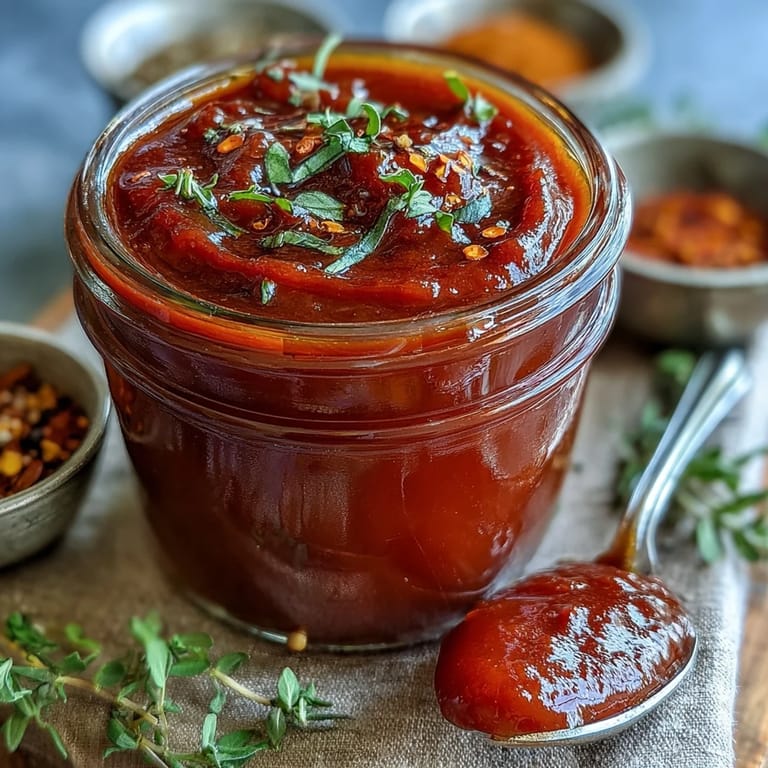
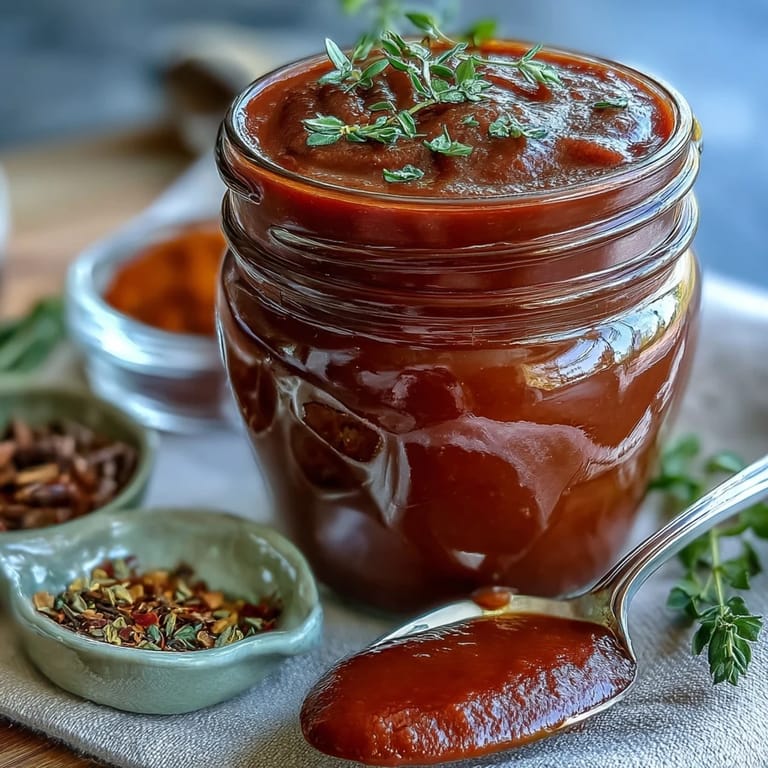
- Bring everything to a gentle simmer, stirring often. Turn the heat down to low and let it cook uncovered for 15 to 20 minutes, stirring occasionally, until the sauce thickens and takes on a glossy sheen. You'll know it's ready when a spoon dragged through it leaves a brief trail.
- Blend to silky smoothness:
- Remove from heat and let it cool slightly—this prevents hot splashes when you blend. Use an immersion blender right in the pot, or transfer to a regular blender if you prefer; either way, blend until smooth and no chunks remain.
- Taste, adjust, and store:
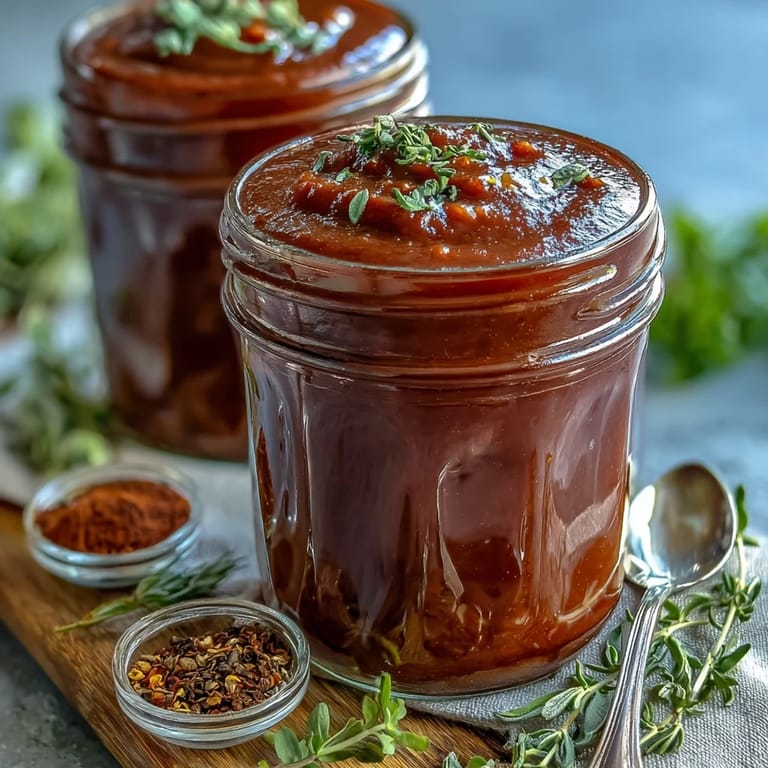
- Once it's smooth, taste it and adjust seasoning if needed. Let it cool completely, then transfer to a clean jar where it'll keep refrigerated for up to two weeks.
 Pin
Pin This sauce turned into the thing I made whenever someone came over for a grilling session, and soon people started requesting specific dishes just so they could have it on the side. It became less about the recipe and more about the conversations happening around the grill while things cooked.
When to Use This Sauce
Brush it onto chicken wings in the last few minutes of grilling and watch the edges caramelize into something irresistible. Serve it alongside grilled fish where the tropical notes lift everything lighter. Spread it on pulled pork or ribs, and suddenly your cookout tastes like you've been perfecting this for years. Even brush it onto charred vegetables or crispy tofu if you're cooking for mixed crowds—it's that versatile.
The Guava Paste Question
Not everyone has guava paste sitting in their pantry, and that's fine. If you find yourself stuck, guava jelly works as a substitute, though you'll want to reduce the added brown sugar since jelly tends to be sweeter than paste. The texture will be slightly different, but the spirit of the sauce remains intact. I've also heard of people using fresh guavas blended smooth if they're lucky enough to find them, which creates an even fresher, slightly more tart version worth exploring.
Making It Your Own
This is less a rigid formula and more a starting point for your own experimentation. Want it spicier? Add more chili powder or a dash of hot sauce and let it wake up your whole meal. Prefer it thinner for dipping? Add another splash of water until it reaches the consistency you want. The beauty of making your own sauce is that you get to decide what it becomes, and that's where the real fun happens.
- Store it in a clean glass jar and it keeps refrigerated for up to two weeks, ready whenever you need something special.
- Make a double batch on a weekend and you'll have backup sauce for spontaneous grilling situations.
- If it thickens too much over time, just stir in a little water to bring it back to life.
 Pin
Pin There's something deeply satisfying about making a condiment from scratch instead of reaching for a bottle, and this guava barbecue sauce is the easiest gateway into that world. Once you taste what's possible when you control every ingredient, store-bought anything starts to feel like a compromise.
Recipe Questions
- → What makes guava BBQ sauce different from traditional barbecue sauce?
Guava BBQ sauce features natural tropical fruit sweetness instead of the usual tomato or ketchup base. The guava paste provides a unique fruity depth that pairs beautifully with smoky spices and creates a glossy, thick texture perfect for coating grilled foods.
- → Can I substitute guava paste with guava jelly?
Yes, guava jelly works as a substitute, though you'll want to reduce the added brown sugar since jelly contains more sweetener than paste. The flavor profile remains similar, though the final sauce may be slightly thinner in consistency.
- → Is this guava BBQ sauce spicy?
The sauce has a mild heat from chili powder and optional red pepper flakes. It's designed to be balanced rather than overpowering, allowing the guava's natural sweetness and smoky spices to shine. Adjust the heat to your preference by adding more chili or a dash of hot sauce.
- → How long does homemade guava BBQ sauce last?
Properly stored in a clean, sealed jar in the refrigerator, this sauce stays fresh for up to two weeks. The vinegar and sugar act as natural preservatives. Always use a clean spoon when scooping to extend shelf life.
- → What dishes pair best with guava BBQ sauce?
This versatile sauce excels on grilled chicken, pork chops, and shrimp. It's also fantastic as a glaze for roasted vegetables, a dipping sauce for plantain chips, or a burger condiment. The tropical notes make it especially good with Caribbean-inspired dishes.
- → Can I make this guava BBQ sauce thicker or thinner?
Absolutely. Simmer longer for a thicker, glaze-like consistency perfect for brushing onto grilled meats. For a thinner sauce ideal for dipping or drizzling, simply add a splash of water during the final cooking stage.