 Pin
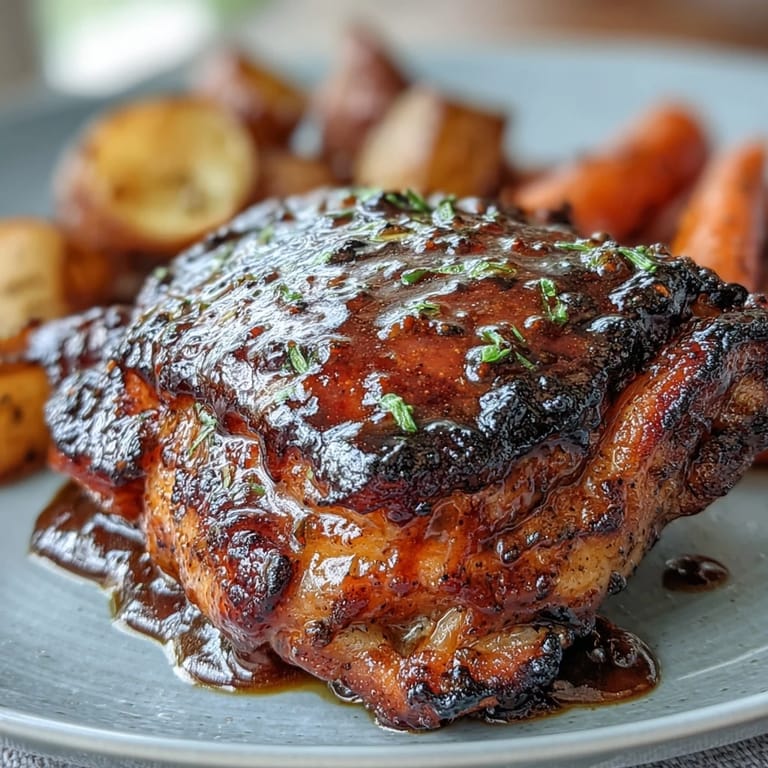
Pin There's something about the smell of honey and mustard hitting hot chicken that makes a weeknight feel like you're actually cooking something special. I discovered this sheet pan method on a Tuesday when I'd promised my neighbor I'd bring dinner over, realized I had exactly forty minutes, and found myself standing in front of my open pantry wondering if I could pull off something impressive without losing my mind. The answer was yes, and it's been my go-to ever since because it's the kind of dish that looks like you tried way harder than you actually did.
I made this for my sister's book club last month, and I loved watching people take their first bite—there's always this moment of pleasant surprise when they realize the whole dinner came from one sheet pan. She texted me the next day saying her partner had already asked when I was making it again, which felt like the highest compliment. That's when you know a recipe has staying power, when people don't just enjoy it, they start planning around it.
Ingredients
- Bone-in, skin-on chicken thighs (4): These stay juicy in ways that chicken breasts sometimes struggle with, and the skin gets gorgeously crispy when the glaze caramelizes—it's worth seeking them out specifically.
- Dijon mustard (3 tbsp) and whole grain mustard (2 tbsp): The combination of smooth and textured mustards gives the glaze complexity and keeps it from tasting one-note.
- Honey (3 tbsp): This balances the mustard's sharpness and helps everything glaze and brown beautifully in the oven.
- Apple cider vinegar (1 tbsp): A small splash cuts through the richness and keeps the glaze from feeling heavy.
- Garlic (2 cloves, minced): Mince it fine so it distributes evenly through the glaze and doesn't burn on the edges of the pan.
- Fresh or dried thyme (1 tbsp fresh or 1 tsp dried): This herb feels almost essential—it ties the whole dish together with a warm, earthy note.
- Carrots (4 large, cut into 2-inch sticks): Larger pieces mean they roast without falling apart, and they'll develop these sweet caramelized edges that kids and adults both love.
- Baby potatoes (500 g, halved): Halving them ensures they cook through in the same time as the chicken, rather than staying hard in the center.
- Red onion (1 small, cut into wedges): The slight sharpness mellows as it roasts, and it adds color that makes the whole sheet pan look intentional.
- Olive oil (2 tbsp) plus salt and pepper: Pat your chicken dry before oiling it, because moisture is the enemy of crispy skin.
Tired of Takeout? 🥡
Get 10 meals you can make faster than delivery arrives. Seriously.
One email. No spam. Unsubscribe anytime.
Instructions
- Get your oven ready and prep your workspace:
- Preheat to 425°F and line your sheet pan with parchment paper—this isn't fancy, it's practical, because scraping dried glaze off a hot pan is nobody's idea of fun. A large sheet pan matters here because crowding everything leads to steaming instead of roasting.
- Make the glaze while your oven heats:
- Whisk together both mustards, honey, vinegar, minced garlic, and thyme in a small bowl until it's smooth and combined. Taste it right here—you want to feel that balance of sweet, tangy, and sharp before it hits the chicken.
- Dry and season your chicken:
- Pat those thighs completely dry with a paper towel, then rub them with olive oil, salt, and pepper all over, including under the skin if you can manage it. Dry chicken gets crispy skin, wet chicken steams, so don't skip this step.
- Arrange everything on the pan:
- Place chicken thighs skin-side up in the center, then scatter carrots, potatoes, and onion around them in a single layer. Crowding the pan lowers the temperature around the food, so give everything breathing room.
- Apply the glaze and get things roasting:
- Brush about half the glaze directly onto the chicken, then drizzle the rest over the vegetables and toss them gently so they're coated. The vegetables will benefit from rolling through that glaze as things cook.
- Roast and tend to your vegetables halfway:
- Put the pan in the oven for 35 to 40 minutes, stirring the vegetables around the 17-minute mark so they brown evenly on both sides. The chicken is done when the skin is golden and crispy and the internal temperature hits 165°F at the thickest part of the thigh.
- Rest and serve:
- Let the chicken sit for 5 minutes right out of the oven—this keeps the juices from running everywhere when you cut into it. Finish with fresh parsley if you have it, though it's perfect without.
 Pin
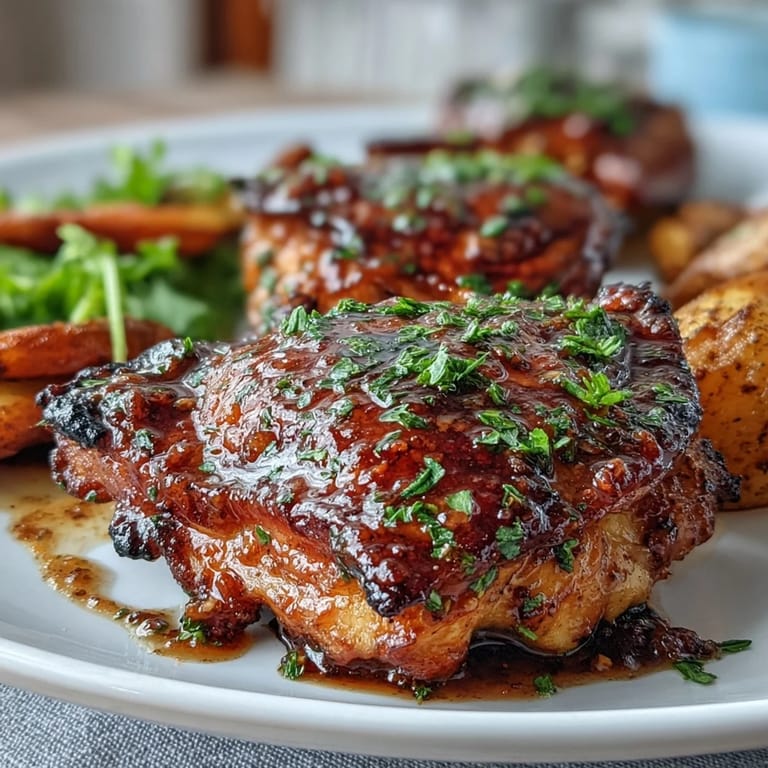
Pin There's a particular quiet that falls over a dinner table when people are genuinely enjoying their food, and I felt it the night I first made this. Nobody was scrolling or distracted—they were just eating and talking, and the conversation naturally meandered the way it does when the food isn't demanding your attention with complicated flavors or textures. That's what makes a recipe truly work, when it becomes invisible and the real moment is just people together.
Why Sheet Pan Dinners Change Everything
Once you discover that an entire balanced meal can happen on a single pan, your weeknight cooking shifts. You stop thinking of dinner as a complicated assembly of different components and start seeing it as one unified thing. The glaze mingles with the vegetable juices, everything shares the same roasted flavor, and somehow that simplicity makes the meal feel more complete than when each element was cooked separately.
The Honey Mustard Glaze Magic
I've learned that the glaze is where this dish gets its personality—it's the bridge between the chicken and the vegetables, the thing that ties everything together into one coherent flavor story. The mustard provides backbone, the honey offers sweetness without being obvious about it, and the vinegar keeps everything tasting bright rather than heavy. Mess with the balance of any of those three and the whole thing changes, so respect the proportions here.
Flexibility Without Losing Your Way
I've swapped things around plenty of times, and the core of this dish remains solid even when you adjust. Chicken breasts work if that's what you have, though you'll need to watch the time more carefully since they cook faster and dry out more easily. The vegetables are the place where you can really play—parsnips, sweet potatoes, Brussels sprouts, even thicker-cut broccoli florets have all worked beautifully on this pan.
- Start checking the chicken at 30 minutes rather than waiting the full 35 if you've substituted breasts for thighs.
- If your vegetables are much larger or smaller than called for, adjust the size you cut them so everything finishes together.
- This dish tastes just as good the next day eaten cold or reheated gently in a low oven, making it perfect for meal prep.
 Pin
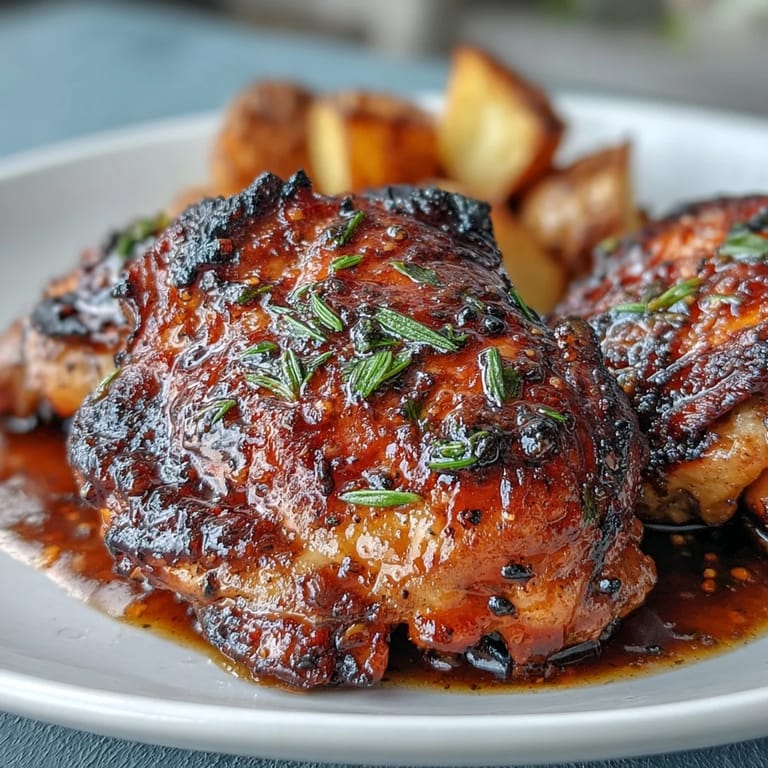
Pin This recipe has become the meal I make when I want to feel capable in the kitchen without spending all evening there. It's proof that simple techniques and honest flavors can feel special every time.
Recipe Questions
- → Can I use chicken breasts instead of thighs?
Yes, chicken breasts can be used. Reduce the roasting time by about 5–7 minutes to avoid drying out the meat.
- → What vegetables can I substitute for carrots?
Parsnips or sweet potatoes work well as alternatives, offering a similar sweetness and texture when roasted.
- → Is it necessary to use both types of mustard in the glaze?
Using both Dijon and whole grain mustard creates depth of flavor, but you can adjust quantities or use just one type according to taste.
- → How do I know when the chicken is fully cooked?
The chicken is done when its internal temperature reaches 74°C (165°F) and the juices run clear.
- → Can this dish be prepared ahead of time?
You can prepare the glaze and chop the vegetables beforehand, but roasting is best done just before serving for optimal texture.