 Pin
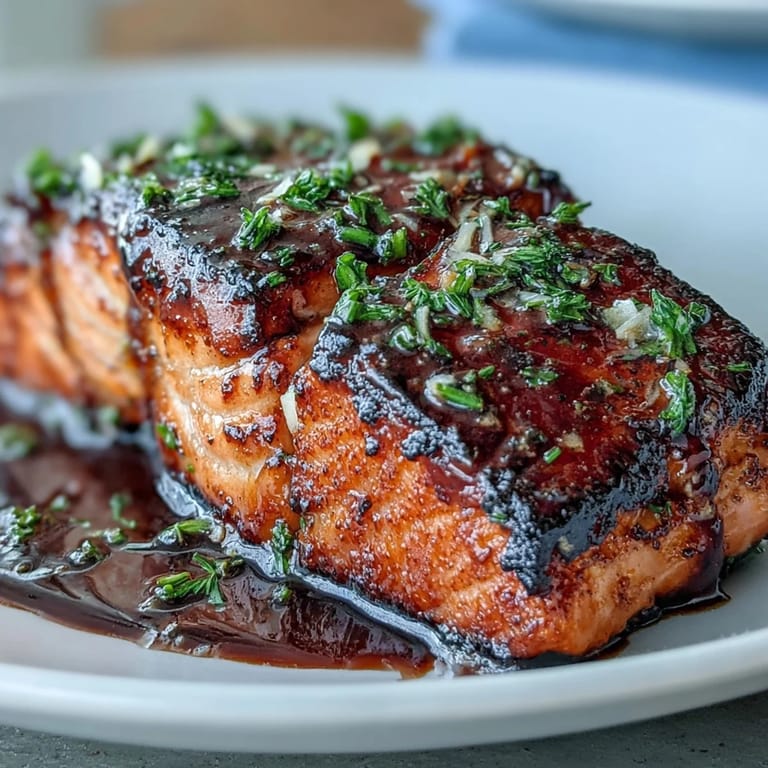
Pin There's something about walking into Texas Roadhouse on a Friday night—that sizzle of cast iron, the smell of butter and garlic hitting you before you even sit down—that made me want to recreate their salmon at home. One evening, instead of heading out, I decided to experiment with what I thought might be their signature marinade: something sweet, tangy, with that unmistakable garlic punch. Turns out, a few pantry staples and 25 minutes in the oven gets you remarkably close. My family's reaction that night told me I'd cracked something good.
I made this for my neighbor last spring when she mentioned being tired of takeout, and watching her face when she tasted it—that quiet "wow"—made me realize this recipe had staying power. She asked for it three more times that summer, each time bringing over a different vegetable from her garden to pair with it. Food has a way of becoming the reason people show up, and this salmon became exactly that.
Ingredients
- Salmon fillets (4, about 6 oz each): Fresh or thawed works equally well; look for firm flesh with a bright color, and pat them dry before marinating so the glaze sticks properly.
- Olive oil (2 tablespoons): This carries the flavors into the fish and keeps it moist during baking; avocado oil works beautifully too if you prefer.
- Honey (2 tablespoons): The sweetness balances the soy and mustard, creating that signature Texas Roadhouse depth; maple syrup is a one-to-one swap if that's what you have.
- Soy sauce (3 tablespoons): Use tamari or coconut aminos if you're avoiding gluten—they deliver the same umami backbone without the gluten worry.
- Dijon mustard (1 tablespoon): This is the secret weapon that gives the marinade its tanginess; don't skip it or substitute with yellow mustard unless you want a milder bite.
- Garlic (3 cloves, minced): Mince it fine so it releases its oils into the marinade; pre-minced garlic in a jar works, but fresh cloves taste noticeably brighter.
- Paprika (1 teaspoon): Smoked paprika adds a subtle depth if you want to lean into that smoky restaurant vibe.
- Salt and black pepper (1 teaspoon each): Cracked black pepper over pre-ground makes a texture difference; don't season too aggressively since soy sauce brings saltiness already.
- Lemon juice (2 tablespoons): Fresh-squeezed is worth the 30 seconds; lime juice swaps in beautifully for a brighter citrus note.
- Fresh parsley (2 tablespoons, chopped): This is pure garnish magic—adds color and a fresh finish that cuts through the rich marinade.
Tired of Takeout? 🥡
Get 10 meals you can make faster than delivery arrives. Seriously.
One email. No spam. Unsubscribe anytime.
Instructions
- Heat your oven and prep your vessel:
- Set the oven to 375°F and lightly grease a baking dish with oil—this takes about 5 minutes total and means you're not scrambling later. A glass or ceramic dish distributes heat more evenly than metal, though either works.
- Build the marinade:
- In a mixing bowl, whisk together the oil, honey, soy sauce, mustard, garlic, paprika, salt, pepper, and lemon juice until the honey is fully dissolved and everything looks cohesive. The mixture should smell intensely garlicky and slightly sweet—that's your signal it's balanced right.
- Get the salmon ready:
- Pat your salmon fillets dry with paper towels and lay them skin-side down in the baking dish. Pour the marinade evenly over each fillet, making sure the garlic pieces settle on top where they'll caramelize.
- Let it sit and absorb:
- Leave the salmon at room temperature for 10 to 15 minutes—this isn't long, but it matters because the cold fish won't absorb the flavors as quickly in the oven. You'll notice the fish starting to release a little moisture; that's normal.
- Bake until it flakes:
- Slide the dish into the preheated oven and set a timer for 20 to 25 minutes depending on fillet thickness. The salmon is done when it flakes easily with a fork and the thickest part reaches 145°F on a thermometer; the flesh should be opaque but still moist, never dry.
- Finish with a flourish:
- Pull it from the oven, scatter the fresh parsley over the top for color and brightness, and serve while it's still warm. If you want extra caramelization on the glaze, broil it for the final 2 to 3 minutes, but watch it closely so the garlic doesn't char.
 Pin
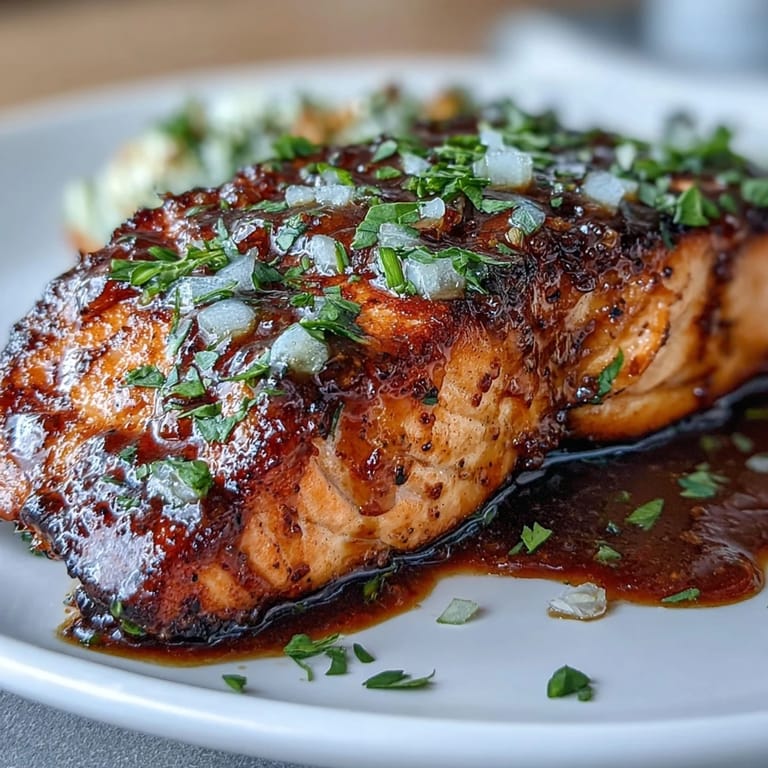
Pin The first time my daughter asked to help me make this, she was convinced the marinade looked "weird" until she tasted it straight from the bowl. By the time we sat down to eat, she'd already decided this was going in her rotation of things she'd cook for friends. That moment—when a dish stops being just dinner and becomes something they want to share—that's when you know it's a keeper.
Why This Marinade Works
The genius of this blend is how each component plays a role: the honey caramelizes and adds subtle sweetness, the soy contributes umami depth, the mustard brings sharpness that cuts through the richness, and the garlic—it's almost aromatic insurance that everything tastes intentional. The lemon juice keeps it from feeling heavy and brightens the whole plate. I've played with the ratios, and this one feels like the Goldilocks zone where nothing overpowers anything else.
Serving Suggestions That Actually Work
This salmon pairs beautifully with something bright and fresh—roasted asparagus with a squeeze of lemon, jasmine rice to soak up the glaze, or even a crisp salad with vinaigrette cuts through the richness perfectly. I've also served it alongside roasted root vegetables in the fall, and the caramelization on the salmon mirrors the browning on the vegetables in a way that looks intentional even when it's mostly accident. The key is not oversaucing the plate; let the salmon be the star.
- Roasted asparagus or green beans add brightness without stealing focus from the main event.
- Jasmine or basmati rice quietly soaks up every drop of that marinade without competing for attention.
- A simple arugula salad with lemon dressing rounds out the meal and cuts through the richness beautifully.
Storage and Make-Ahead Magic
You can prep the marinade the night before and keep it in a sealed container in the fridge—just mix it together when you're ready to cook. The salmon itself is best eaten fresh, but leftovers (if you somehow have them) stay moist and delicious for three days when refrigerated in an airtight container. I've reheated it gently in a 300°F oven for about 8 minutes, and it comes back tasting nearly as good as fresh.
 Pin
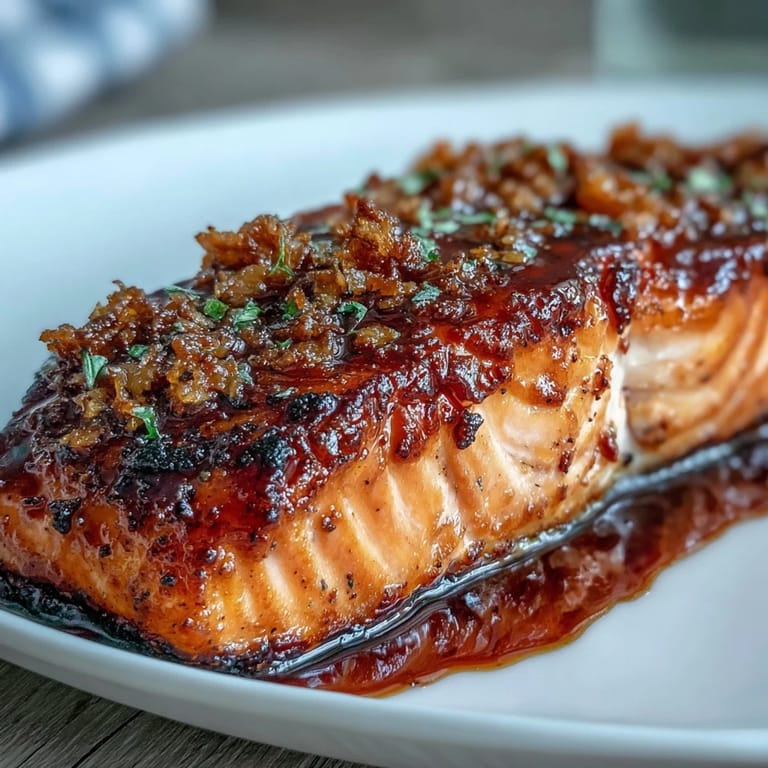
Pin This salmon recipe has become one of those dishes I make when I want to feel accomplished without the stress, or when I'm cooking for people who matter and I want them to know I cared. It's that rare combination of impressive-sounding and genuinely simple, which might be why it keeps coming back around.
Recipe Questions
- → How long should the salmon marinate?
Marinate the salmon for 10 to 15 minutes at room temperature to allow flavors to infuse without overpowering the fish.
- → Can I substitute honey in the marinade?
Yes, maple syrup works well as a natural sweetener alternative, maintaining the sweet and tangy flavor profile.
- → What is the best temperature for baking salmon?
Bake salmon at 375°F (190°C) until it flakes easily with a fork, usually about 20-25 minutes.
- → How can I add extra caramelization to the salmon?
Broil the salmon for the last 2-3 minutes of cooking to achieve a slightly crisp, caramelized surface.
- → What are good side pairings for this dish?
Steamed vegetables, rice, or a baked potato complement the salmon nicely for a balanced meal.