 Pin
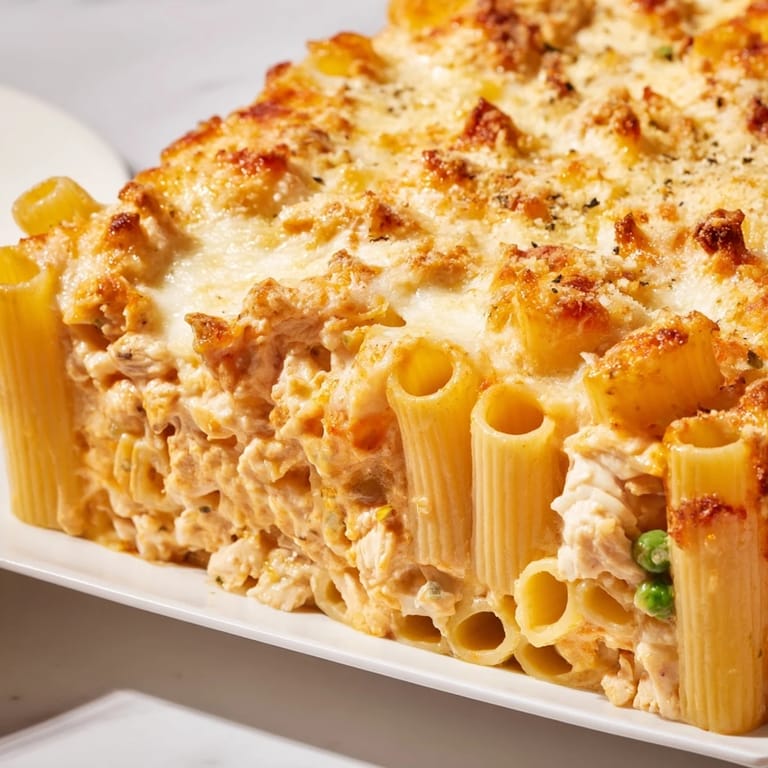
Pin The first time I made this casserole was out of pure necessity—I had half a turkey left over from Sunday dinner and a fridge that was starting to judge me. My roommate was coming over, and instead of panic, I found myself pulling out pasta and remembering a trick my aunt swore by: layering gravy in the middle of a casserole so every bite stays impossibly moist. Two hours later, watching that golden bubble emerge from the oven, I knew I'd stumbled onto something special.
I'll never forget my neighbor's face when she tasted it at a potluck—she went quiet for a moment, then asked if I'd made it from scratch. That moment taught me something: comfort food doesn't need to be complicated, it just needs to work hard to deliver exactly what people need after a long day.
Ingredients
- Penne or rigatoni: These sturdy shapes hold onto sauce and gravy beautifully; don't skip cooking it to al dente or it'll turn mushy in the oven.
- Turkey or chicken gravy: This is the soul of the dish—homemade tastes incredible, but don't hesitate with store-bought if that's what you have.
- Mozzarella and sharp cheddar: The mozzarella melts into creamy layers while the cheddar adds a sharp bite that keeps things interesting.
- Parmesan: Grated fresh if you can; it browns beautifully on top and adds a nutty depth.
- Onion and garlic: Sauté them until they're soft and fragrant—this is where the foundation of flavor comes from.
- Whole milk and butter: They create the sauce that binds everything together and keeps the casserole from drying out.
- Frozen peas: Optional, but they add color and a little sweetness that balances the savory cheese.
Tired of Takeout? 🥡
Get 10 meals you can make faster than delivery arrives. Seriously.
One email. No spam. Unsubscribe anytime.
Instructions
- Get your mise en place ready:
- Preheat the oven and grease your baking dish while you gather everything—this five-minute head start makes cooking feel less frantic.
- Cook the pasta:
- Salt your water generously and cook the pasta until it's just tender but still has a bit of resistance when you bite it. Drain it well and set aside.
- Build the aromatic base:
- Heat olive oil in a skillet, add the chopped onion, and let it soften while you breathe in that sweet, caramelizing smell. Add garlic, thyme, salt, and pepper, stirring for just a minute until fragrant.
- Make the sauce:
- Sprinkle flour over the onions and stir for a minute so it loses its raw taste. Gradually whisk in milk, watching as it transforms into a silky sauce that thickens right before your eyes—this usually takes two to three minutes.
- Combine the main mixture:
- In a large bowl, toss together the cooked pasta, that beautiful sauce you just made, shredded turkey, peas if you're using them, and half of each cheese. The mixture should feel luxurious and well-coated.
- Layer it strategically:
- Spread half the pasta mixture into your prepared baking dish, creating an even base layer.
- Add the magic middle:
- Pour or spoon the gravy evenly over this layer, letting it soak in and create those pockets of moisture that make this casserole unforgettable. This is what separates it from any other pasta bake.
- Top and finish:
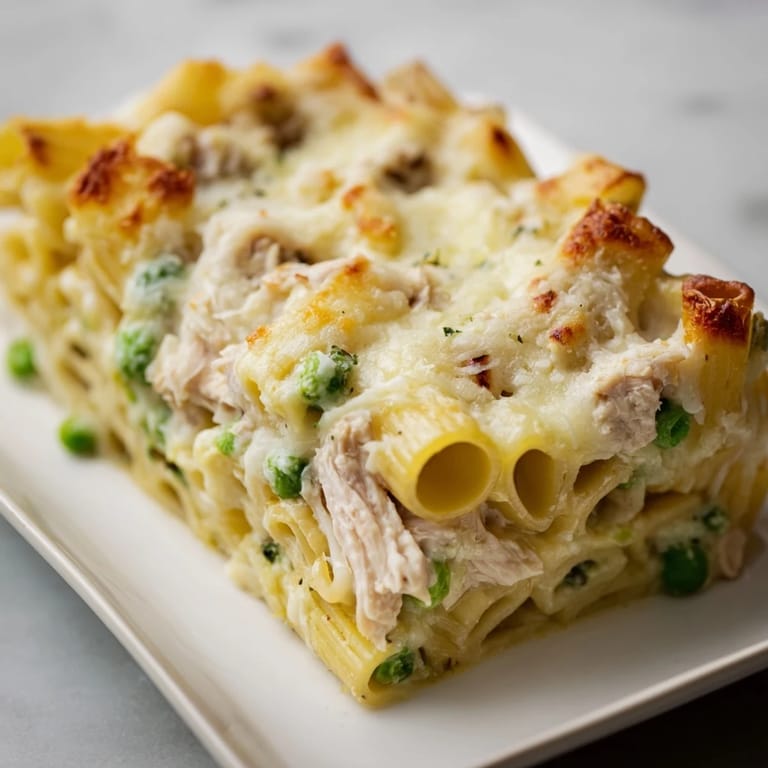
- Add the remaining pasta mixture on top, then scatter the rest of the cheese over everything like you're blessing it. Bake uncovered until the top is golden and the edges are bubbling, about thirty to thirty-five minutes.
- Let it rest:
- Those ten minutes of resting time aren't optional—they let everything settle and cool just enough to hold together when you serve it.
 Pin
Pin There's something almost meditative about layering this casserole—the repetition of spreading, then pouring, then topping feels purposeful in a way that reminds me why people gather around food. It's not just dinner; it's a moment where you're literally building comfort into something tangible.
Why This Works as Leftovers Gold
The genius of this casserole is that it transforms holiday turkey from an afterthought into the main event. You're not trying to hide that it's leftover meat—you're celebrating it by layering it with cheese and binding it with gravy until it tastes like you planned this all along. Any cooked poultry works here, so if you have rotisserie chicken instead, use it without guilt.
Customizing for Your Kitchen
I've added sautéed mushrooms, fresh spinach, and even roasted red peppers to this casserole depending on what's in my fridge or what I'm craving that week. The structure stays solid no matter what you fold in, which makes it forgiving and fun to experiment with. Just keep your add-ins to about a cup total so you don't throw off the ratio of pasta to sauce to cheese.
Making It Your Own
The beauty of a casserole like this is that it welcomes improvisation—maybe you use a mix of cheeses you have on hand, or you swap the herbs based on what's growing on your windowsill. I've made it with homemade gravy when I had the time and box-mix gravy when I didn't, and both versions felt equally valid.
- If you prefer a creamier casserole, add an extra splash of milk to the sauce layer.
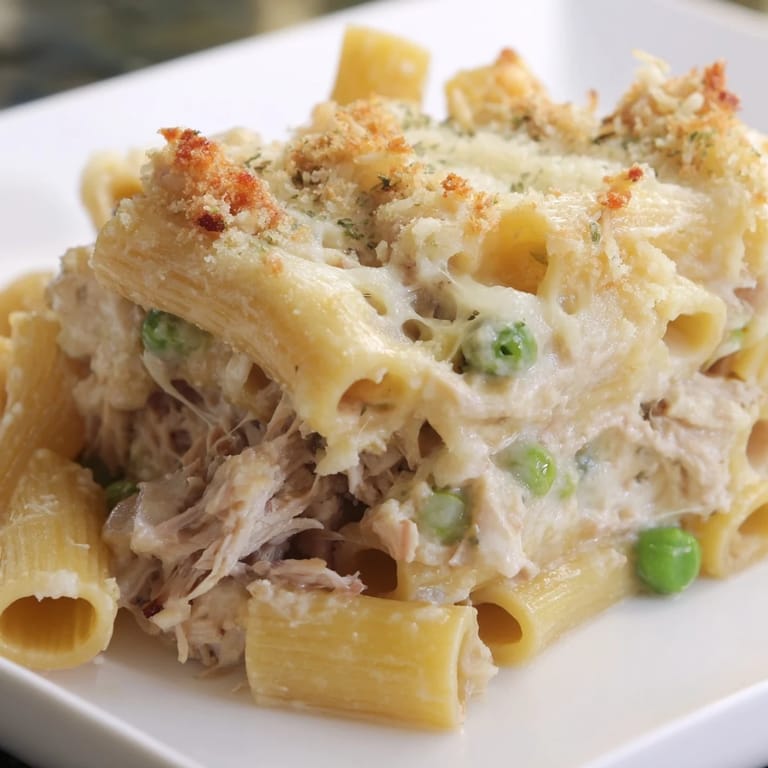
- For a crispier top, mix some breadcrumbs with melted butter and scatter them over the cheese before baking.
- Leftovers reheat beautifully in a low oven, covered loosely with foil to keep them moist.
 Pin
Pin This casserole has become my answer to almost every question about what to bring, what to cook, or how to use up odds and ends. It asks so little and gives so much back.
Recipe Questions
- → What type of pasta works best for this dish?
Penne or rigatoni are ideal as their tube shape holds sauce well, ensuring each bite is flavorful and moist.
- → Can I substitute turkey with another protein?
Yes, roast chicken makes a great alternative, providing a similar texture and flavor profile.
- → How does the gravy layer affect the dish?
The gravy soaks into the pasta mid-layer, keeping the casserole moist and adding rich, savory notes throughout.
- → Are there vegetable additions that complement this dish?
Sautéed mushrooms, spinach, or frozen peas blend well, adding freshness and texture to the casserole.
- → What kind of cheese combination is used?
A blend of mozzarella, sharp cheddar, and Parmesan creates a creamy, flavorful cheese layer that melts beautifully.
- → How long should the dish rest after baking?
Allow the casserole to rest for about 10 minutes after baking to set and make serving easier.