 Pin
Pin My neighbor knocked on the kitchen window one autumn afternoon holding a bunch of carrots still dusted with garden soil, and I suddenly remembered why I'd stopped buying them pre-peeled from the supermarket. That evening, while the sun turned everything golden, I tossed those carrots with butter and orange juice, and the whole kitchen filled with this warm, citrusy glow that made everything feel intentional. It's the kind of dish that transforms something so ordinary into something that tastes like you actually planned something nice for dinner.
I made this for my partner's family dinner once when I was nervous about cooking for them, and somewhere between stirring the glaze and watching it thicken, I stopped worrying about impressing anyone. The carrots turned glossy and beautiful on their own, and when his mom asked for the recipe, I realized I'd accidentally made something that felt both simple and special—which is exactly the feeling you want when feeding people you care about.
Ingredients
- Carrots: Look for firm ones without soft spots, and slice them evenly so they cook at the same rate—this keeps you from having some mushy and some hard.
- Fresh orange juice: Squeeze it yourself if you can, because the bottled stuff sometimes tastes more like memory than actual orange, and here you want the real thing.
- Orange zest: This is where most of the punch comes from, so don't skip it even if your microplane is hidden somewhere in the back of a drawer.
- Honey: Use something you actually like tasting on its own, since it's not hiding behind anything here.
- Unsalted butter: It lets you control the salt, and there's something quieter and rounder about it in this particular glaze.
- Fresh dill: The herb that makes this dish sing at the very end—chop it just before serving so it stays bright green and aromatic.
Tired of Takeout? 🥡
Get 10 meals you can make faster than delivery arrives. Seriously.
One email. No spam. Unsubscribe anytime.
Instructions
- Start the carrots in boiling water:
- Salt your water like you're seasoning soup, then add the carrot rounds and let them soften for five to six minutes until a fork slides through without resistance. You're parboiling them here, not cooking them completely, so they'll finish gently in the glaze.
- Build your glaze base:
- Melt the butter in a large skillet over medium heat, then stir in honey, orange juice, zest, salt, and pepper until everything looks unified and smells like actual citrus. This is your moment to taste and adjust—more salt if it feels flat, a squeeze of lemon if you want extra brightness.
- Combine carrots with glaze:
- Drain the carrots thoroughly and add them to the skillet, tossing them gently so each round gets coated. The carrots will look wet and loose at first, which is exactly right.
- Let the magic happen:
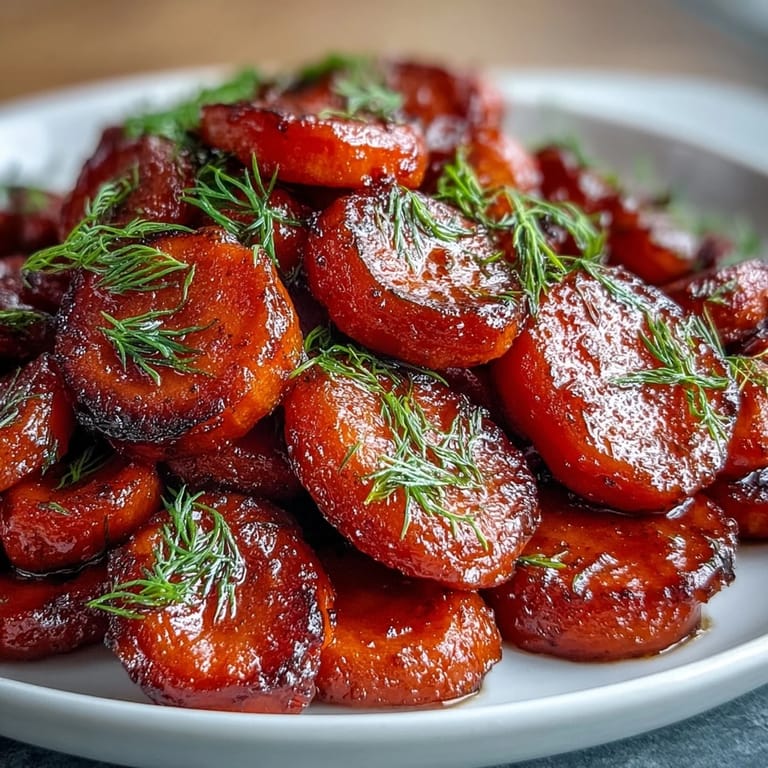
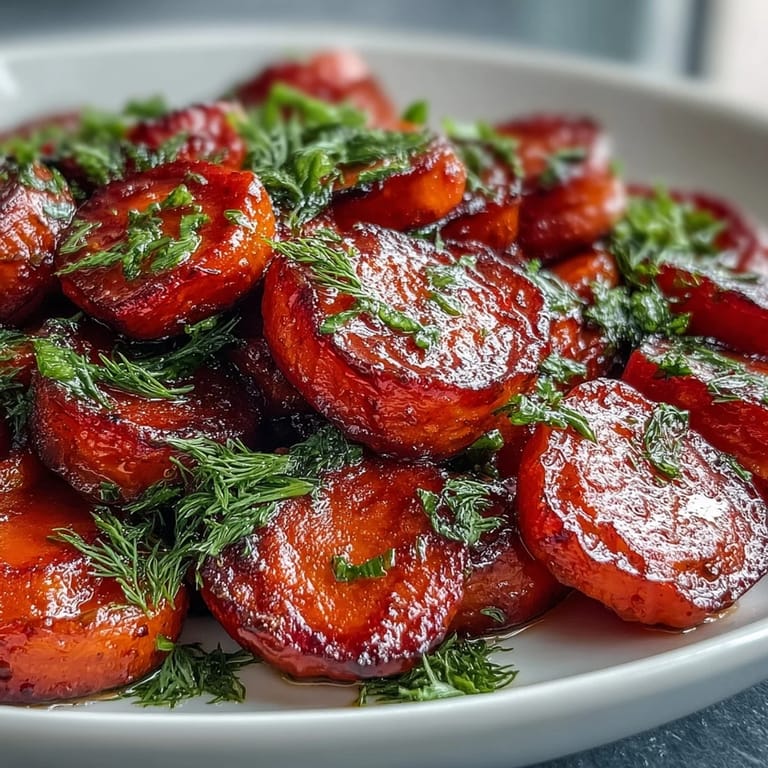
- Stir occasionally for seven to ten minutes while the glaze reduces and clings to the carrots, turning them glossy and beautiful. You'll know it's ready when the liquid looks more like a thin syrup than a sauce, and the smell becomes almost caramelized.
- Finish with dill and serve:
- Pull everything off the heat, scatter the fresh dill over the top, give it one gentle toss, and serve while it's still warm enough to smell amazing. The warmth releases the dill's oils, which is the whole reason you waited until the end to add it.
 Pin
Pin There was this moment during a dinner party when someone asked if I'd done something fancy to the carrots, and I realized that's when a side dish becomes something worth remembering. It wasn't fancy at all—just attentiveness and the right combination of things that actually taste good together.
Why Orange and Honey Work So Well Together
Orange juice brings acid and brightness that cuts through richness, while honey adds a gentle sweetness without tasting artificial or one-dimensional. The butter ties everything together into something silky, and the dill arrives at the end like a surprise you didn't know you were waiting for. It's the kind of balance that tastes instinctive even though it's actually quite deliberate.
Making This Dish Your Own
This recipe is flexible in ways that matter—you can play with the citrus by swapping lime juice for some of the orange, or add a whisper of vanilla to deepen the honey note. Some people add a touch of ginger or even a tiny bit of cayenne if they want something with more personality, and each version tastes like it was always meant to be this way.
Serving and Storage Wisdom
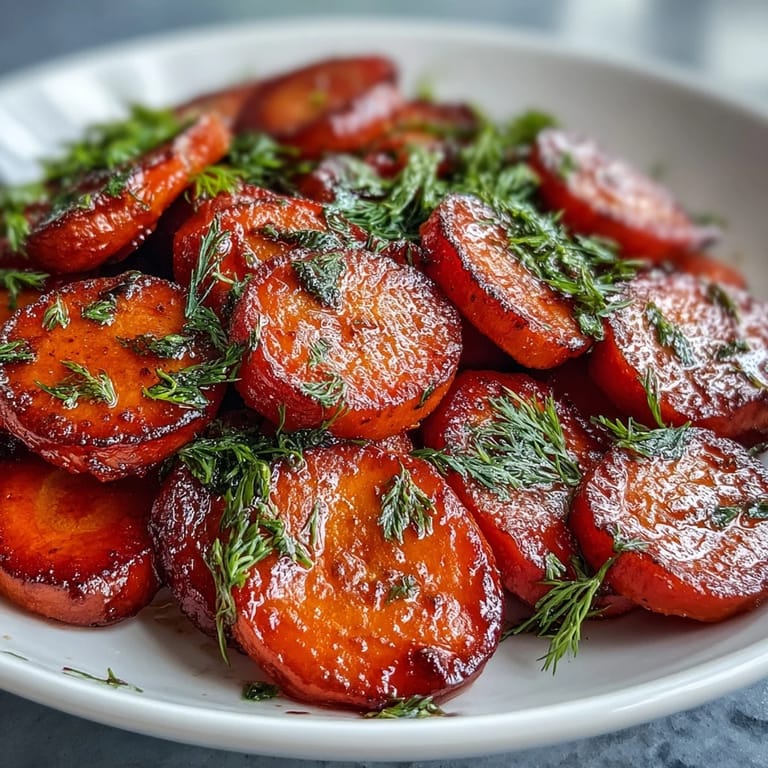
These carrots taste best served warm, right after they come together, but they're also pleasant at room temperature the next day if you have leftovers—though honestly, you probably won't. The glaze sets slightly as everything cools, which means they hold together beautifully on a plate and don't spread into a puddle like some glazed vegetables.
- Serve alongside roasted chicken or fish for a complete plate that actually feels balanced.
- Store leftovers in a covered container in the refrigerator for up to three days and gently warm them before serving.
- Make double the batch if you're feeding a crowd, since these disappear faster than you'd expect.
 Pin
Pin This is the kind of side dish that makes people feel cared for without requiring you to spend hours in the kitchen. Once you've made it once and seen how the glaze comes together, it becomes something you reach for whenever you want dinner to taste a little brighter.
Recipe Questions
- → How do I achieve a glossy glaze on the carrots?
Cook the carrots with a mixture of butter, honey, and fresh orange juice over medium heat, stirring occasionally until the glaze thickens and coats the carrots evenly.
- → Can I substitute ingredients for dietary preferences?
To make a dairy-free version, replace butter with plant-based butter, and maple syrup can substitute honey for a vegan option.
- → What is the best way to prepare the carrots for this dish?
Peel and slice carrots into 1/4-inch rounds, then boil them briefly until just tender before glazing.
- → How can I enhance the citrus flavor in this dish?
Add a splash of lemon juice to the glaze for an extra bright citrus note without overwhelming the orange base.
- → What dishes pair well with these glazed carrots?
This vibrant side complements roasted chicken, fish, or other protein-centered dishes, adding a sweet and fresh contrast.