 Pin
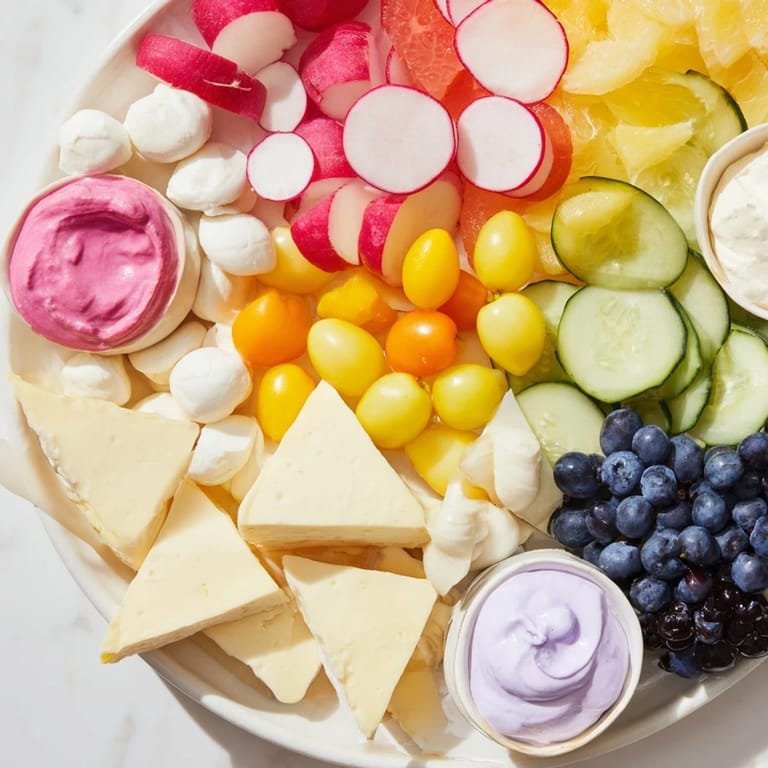
Pin I'll never forget the moment I first assembled a pastel grazing board for my friend's baby shower. The afternoon light streamed through the kitchen windows as I arranged delicate pink radishes, soft blueberries, and creamy cheeses into a dreamy landscape of gentle colors. It felt less like preparing food and more like painting with edible ingredients—each element a brushstroke in a celebration of new beginnings. My hands moved slowly, intentionally, savoring the quiet before guests arrived and this beautiful board became the centerpiece of joy.
I remember my sister's eyes lighting up when she walked into the baby shower and saw the board we'd created together. She said it looked too beautiful to eat, but of course everyone couldn't resist diving in within minutes. Watching people discover their favorite pairing—someone drizzling beet hummus onto a water cracker, another savoring a bite of brie with a blueberry—made me realize this board was about more than sustenance. It was about connection, about creating a space where people could linger and talk and celebrate.
Ingredients
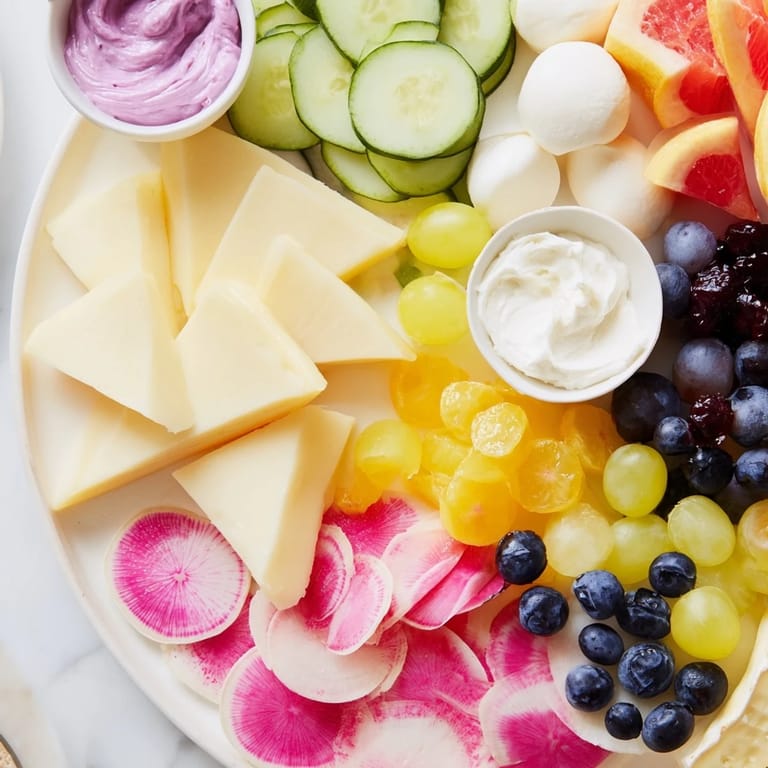
- Pink radishes, thinly sliced (1 cup): These delicate rounds are your palette's star player. Slice them paper-thin so they curl slightly at the edges—it catches the light beautifully and adds a peppery crunch that cuts through creamy cheeses perfectly.
- Yellow cherry tomatoes, halved (1 cup): Choose the smallest, most uniformly golden ones you can find. Their sweetness balances the salty crackers and creates visual warmth on the board.
- Blueberries (1 cup): These are your cool anchor. They maintain their shape beautifully and add that essential soft blue tone to your palette.
- Pink grapefruit segments, pith removed (1 cup): The pale pink of grapefruit is utterly precious for this theme. Take time removing every trace of bitter white pith—it's worth the care.
- Fresh pineapple, diced (1 cup): The buttery yellow brings warmth and a tropical whisper. Cut larger chunks than you think you need; they're substantial enough to be satisfying.
- Raspberries (½ cup): These jewels are fragile, so handle them last and nestle them into protected spots on the board. Their rosy hue is irreplaceable.
- Baby cucumbers, sliced into rounds (1 cup): The palest green imaginable, these add freshness and a light crunch that keeps the board feeling alive.
- Purple or blue grapes (1 cup): Select the smallest grapes you find. They cluster beautifully and add organic texture to your arrangement.
- Brie cheese, rind on, cut into wedges (150 g): The creamy heart of your board. Let it sit out fifteen minutes before arranging—cold brie tastes muted and felt heavy.
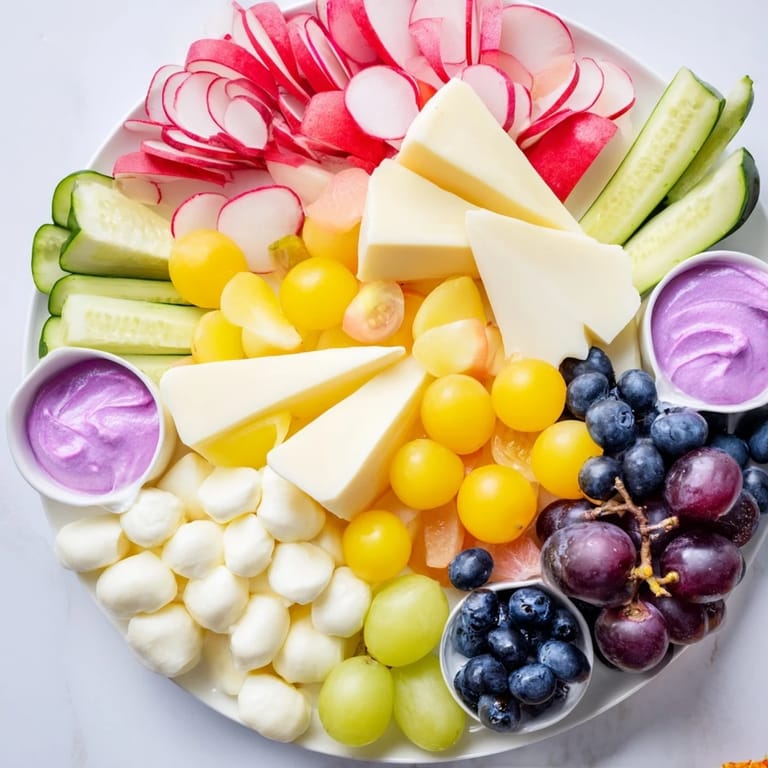
- Baby mozzarella balls, bocconcini, drained (150 g): These soft, pillowy spheres are visual gold and taste like clouds. Pat them dry gently before placing them on the board.
- Gouda, sliced into thin triangles (150 g): A touch of deeper warmth. Its subtle sweetness pairs unexpectedly well with the fruit.
- Whipped lemon ricotta (1 cup): This is the creamy luxury that makes people linger. The bright lemon flavor is essential—store-bought ricotta whipped with fresh lemon zest and a touch of honey works beautifully.
- Beet hummus (¾ cup): The rosy purple is Instagram-perfect, but the earthiness is what makes it unforgettable. A homemade version tastes fresher, but quality store-bought saves precious time.
- Plain or vanilla yogurt with blueberry jam swirl (¾ cup): The jam creates a marbled effect that feels intentional and elegant. Spoon it into a bowl, then drag the jam through it gently with the back of a spoon.
- Mini rice crackers, pastel colored if possible (1 cup): Keep these sealed until the last moment. They're your vehicle for cheese and dips, and they must stay crisp.
- Water crackers (1 cup): The neutral, delicate partner to everything. Their restraint is their elegance.
- French baguette, sliced and lightly toasted (1 cup): Toasting is crucial—it makes them sturdy enough to support brie without crumbling. Slice at an angle for visual appeal.
- Pastel-colored Jordan almonds (½ cup): These little confections feel like edible jewelry. Distribute them intentionally throughout empty spaces.
- Pastel meringues (½ cup): Impossibly light and whimsical. They're the punctuation marks of sweetness.
- White chocolate-dipped pretzel rods, sprinkled with pastel sugar (½ cup): The contrast of salty-sweet is addictive. Make these yourself or buy quality versions—they're worth the investment for texture.
- Pastel marshmallows (½ cup): Soft clouds that feel like eating the party itself. Tuck them into corners for surprise sweetness.
- Edible flowers—pansies or violas: These are your final flourish. Use them sparingly; three here, two there. They're decorative first, edible second.
- Fresh mint leaves: A whisper of green and a hint of freshness. Tuck them between fruits and around dips.
Tired of Takeout? 🥡
Get 10 meals you can make faster than delivery arrives. Seriously.
One email. No spam. Unsubscribe anytime.
Instructions
- Choose Your Canvas:
- Select a large, flat serving board or platter—at least eighteen by twenty-four inches. This becomes your stage. Dry it completely before you begin; any moisture will make your beautiful fruits and crackers soggy. Take a moment to envision where your color clusters will live. This quiet planning is half the magic.
- Create Your Anchor Points:
- Place small bowls or ramekins for dips and soft cheeses first. These are your anchors. They prevent the creamier elements from bleeding into the crispier ones. Arrange them in loose clusters around the board, thinking about balance and flow, like placing furniture in a room you want people to move through.
- Nestle the Cheeses:
- Remove your brie, mozzarella, and gouda from the refrigerator fifteen minutes before arranging. Cold cheese is dense and less inviting. Place brie wedges with the white rind facing up—it photographs beautifully and invites people to touch it. Scatter mozzarella balls with intention, leaving small gaps so people can easily pick them up. Arrange gouda triangles in a loose pattern. These should look creamy and soft, not sweaty or glistening under harsh light.
- Fill Your Bowls with Care:
- Spoon whipped lemon ricotta into a bowl and create a shallow well in the center with the back of a spoon. Pour beet hummus into another, smoothing the top gently. For the yogurt bowl, swirl it with blueberry jam by dragging the back of a spoon through in lazy, deliberate strokes. These visual details matter—they tell the story of intentionality.
- Layer Your Produce with Intention:
- This is where your color story comes alive. Fan out radish slices in overlapping patterns, almost like rose petals. Let them curl at the edges naturally. Scatter cucumber rounds in loose lines, thinking about how they'll guide the eye. Now comes the fruit—think of it as painting in clusters, not scattered points. Group yellow cherry tomatoes together in one area, blueberries in another, then raspberries, grapefruit, pineapple, and grapes. Alternate warm and cool colors so your eye travels around the board in a happy dance. Single layers keep everything crisp and prevent bruising. Avoid towering stacks; flat elegance is more sophisticated than abundance through height.
- Arrange Crackers in Swoops:
- Mini rice crackers, water crackers, and toasted baguette slices form the structural foundation for eating. Arrange them in curved arcs and semi-circles, thinking like you're drawing with food. Keep them away from the wettest elements—the dips, the juiciest fruits—so they stay crisp through the party. Stack them slightly angled so people can easily grab one.
- Finish with Sweetness and Flowers:
- Nestle pastel Jordan almonds, meringues, white chocolate-dipped pretzels, and marshmallows into the remaining open spaces. These fill gaps and reinforce your pastel theme. Now, tuck edible flowers—pansies, violas—throughout the board with restraint. Three flowers here, two there. They're accents, not confetti. Scatter fresh mint leaves in whispers of green between dips and fruits.
- Polish and Present:
- Step back. Look at your creation with fresh eyes. Wipe any smudges or spills from the board edges with a clean, damp cloth. This final moment of care transforms a collection of ingredients into a presentation. You can serve immediately, or loosely cover it with plastic wrap and refrigerate for up to one hour. Remove it from the cold fifteen minutes before guests arrive so flavors wake up and textures soften ever so slightly into their intended state.
 Pin
Pin The moment I'll cherish most is watching my mother pick up a radish slice topped with beet hummus and smile with that particular joy reserved for simple, beautiful things. She said it tasted like celebration looked. That's when I understood—this board isn't about perfectly arranged ingredients. It's about creating a space where people feel cared for through visual beauty and thoughtful flavor combinations.
The Art of Color Arrangement
The magic of a pastel board lives in its restraint. Unlike vibrant, loud boards that demand attention through contrast, this one whispers. The soft pinks, pale yellows, gentle blues, and creamy whites create a serene landscape that feels sophisticated and calming. When selecting your produce, hold each item up to your other choices—does it feel harmonious or jarring? Choose the smallest, most delicately colored fruits you can find. A deep-pink radish matters more than a large pale one. This is about harmony over abundance, about creating a space that feels intentional rather than random.
Cheese Selection and Softening
I learned through trial and error that the texture of cheese at serving time changes everything. Cold brie from the refrigerator is dense and difficult to spread; brie left out for fifteen minutes becomes almost custard-like, inviting people to actually engage with it rather than force it onto a cracker. The same principle applies to mozzarella and gouda. This small step of patience transforms your board from technically complete to genuinely delicious. It's a quiet moment where you're preparing not just food, but an experience.
Timing and Storage Wisdom
A grazing board is best assembled no more than two hours before serving, though it can live in the refrigerator, loosely covered, for up to one hour beforehand. The moment you add fruit and crackers, the clock starts ticking on freshness. If you're hosting a longer event, keep backup crackers sealed and bring them out halfway through, replacing any that have softened. This attention to detail is what separates a board that people remember from one that fades into the background. Cut fruit and opened cheeses shouldn't sit at room temperature for more than two hours—after that, bacteria begins its own feast on your beautiful creation. Remove soft cheeses and dips after the two-hour mark if you can, storing them in airtight containers in the refrigerator. Keep crackers and breads separate from wet ingredients once they're stored, or they'll absorb moisture and lose their essential crunch. A final tip: serve the board cold or at cool room temperature by removing it from the refrigerator only fifteen minutes before guests arrive, allowing flavors to express themselves while everything remains fresh.
 Pin
Pin Every time I make this board, I'm reminded that feeding people beautiful food is a form of love. This particular arrangement—soft, gentle, pastel—feels like serving joy itself.
Recipe Questions
- → How do I keep the board fresh during serving?
Keep perishable items like cheeses and cut fruits refrigerated until serving. Cover loosely with plastic wrap and serve within 2 hours to maintain freshness and texture.
- → What are good vegan alternatives for cheeses and dips?
Use plant-based soft cheeses and dips such as cashew ricotta or beet hummus to maintain creamy textures while keeping the pastel theme intact.
- → How can I maintain the pastel colors without browning or wilting?
Choose the freshest produce, dry thoroughly after washing, and avoid stacking too many layers to keep fruits and vegetables crisp and vibrant.
- → What are tips for arranging crackers to keep them crunchy?
Place crackers away from any moist ingredients and refresh supply during serving. Toasted baguette slices add crunch and visual variety.
- → Can edible flowers be consumed safely here?
Yes, edible flowers such as pansies and violas are safe to eat and provide elegant color accents to the board.
- → How to handle leftovers for best preservation?
Store cheeses, dips, and cut fruits in airtight containers in the refrigerator. Keep crackers and breads separate to avoid sogginess.