 Pin
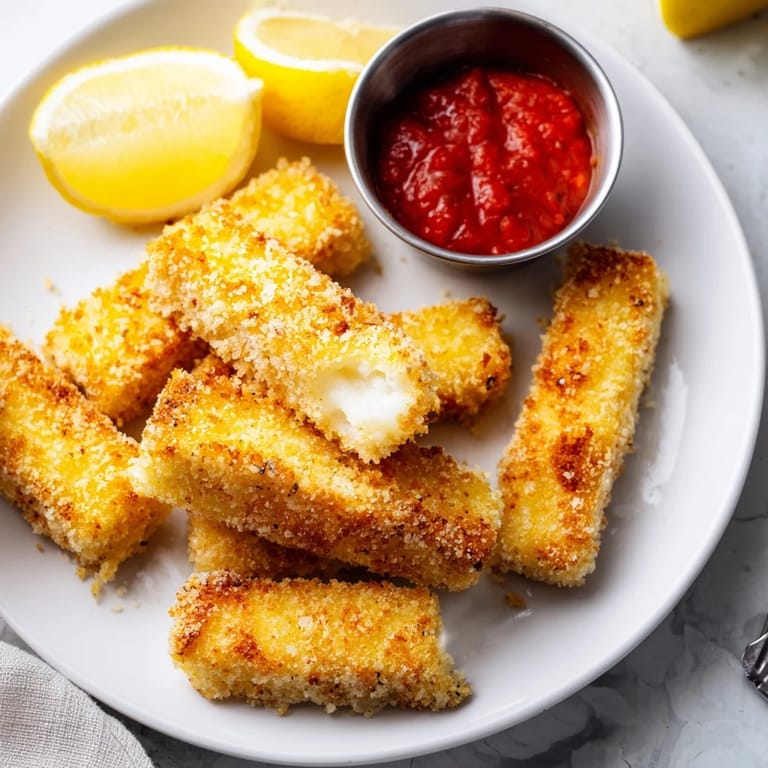
Pin The first time I encountered halloumi, it was at a Mediterranean beach taverna where the cook pulled sizzling golden rectangles straight from the pan and served them with nothing but lemon and a knowing smile. That moment taught me something crucial: some foods are meant to be fried, and halloumi is unquestionably one of them. Years later, I recreated that magic in my own kitchen, and now it's the appetizer I turn to when I want to impress without the stress. There's something deeply satisfying about watching cheese transform into something crispy on the outside while staying creamy inside—it feels like kitchen alchemy.
I made this for a dinner party last summer when a friend mentioned she'd never tried halloumi, and watching her face light up after that first bite was worth every second in the kitchen. She ate three pieces before anyone else got one, and that's when I knew I'd nailed it. The lemon and hot sauce combination seemed simple enough, but together they created something unexpectedly complex—bright, spicy, and perfectly matched to the rich cheese.
Ingredients
- Halloumi cheese (250 g): This is the star—look for firm blocks rather than packaged slices, as they hold their shape better when fried and develop an incredible texture.
- Panko breadcrumbs (60 g): The larger crumbs create that distinctive crunchy crust that regular breadcrumbs just can't achieve; don't substitute unless you're okay with less texture.
- All-purpose flour (40 g): This helps the egg cling to the cheese, creating an even coating that panko can grip.
- Eggs (2 large): Your binding agent and the reason the panko sticks rather than sliding off during frying.
- Black pepper and smoked paprika: These flavor the flour layer with warmth and subtle smokiness that complements fried cheese beautifully.
- Neutral oil (250 ml): Sunflower or canola work best because they have high smoke points and won't overpower the delicate cheese flavor.
- Lemon wedges and hot sauce: These aren't just garnishes—they're essential flavor balancers that cut through the richness and add brightness.
Tired of Takeout? 🥡
Get 10 meals you can make faster than delivery arrives. Seriously.
One email. No spam. Unsubscribe anytime.
Instructions
- Prepare your halloumi:
- Pat the cheese completely dry with paper towels—any moisture will create steam and prevent a crispy crust. Slice into rectangles about 1 cm thick; this size is thick enough to stay creamy inside but thin enough to cook through evenly.
- Set up your breading station:
- Arrange three plates in a row: one with seasoned flour (mixed with pepper and paprika), one with beaten eggs, and one with panko crumbs. Having everything ready means you can work quickly without scrambling.
- Coat each piece:
- Dredge halloumi in flour first, shaking off excess, then dip into egg, and finally press into panko on both sides. Press gently so the crumbs stick without squishing the cheese.
- Heat your oil:
- Pour oil into a large frying pan and heat over medium-high until it shimmers and a single panko crumb immediately sizzles when dropped in. This is your signal that it's ready.
- Fry in batches:
- Never crowd the pan—the halloumi needs space or it steams instead of crisping. Fry 2–3 minutes per side until deep golden brown, resisting the urge to move pieces around too much.
- Drain and serve:
- Remove with a slotted spoon onto paper towels to shed excess oil, then serve immediately while the contrast between crunchy exterior and warm interior is at its peak.
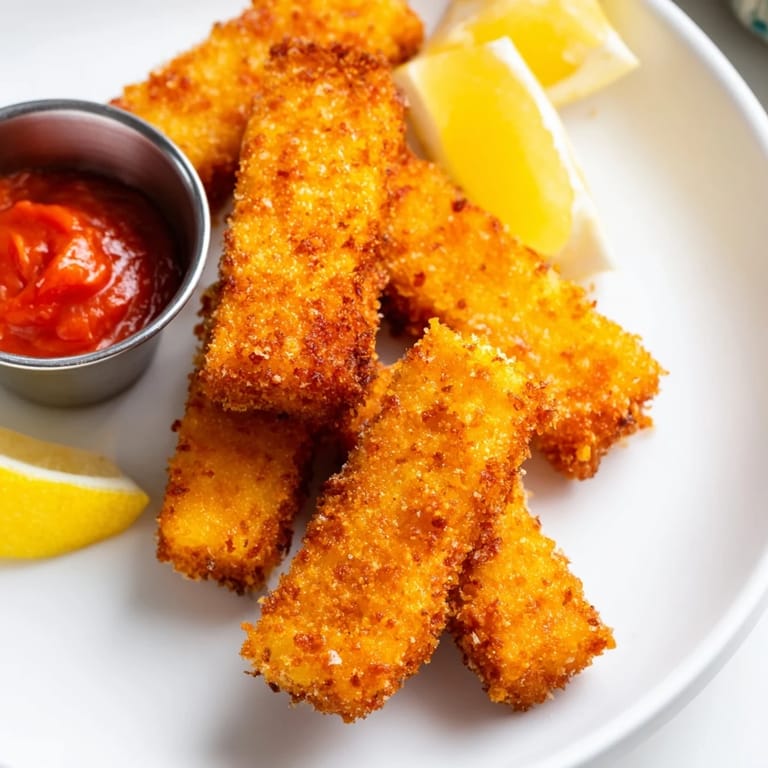 Pin
Pin There was an evening when my teenage cousin tried these for the first time and declared them better than any fried food she'd ever had, which felt like a genuine compliment from someone who doesn't hand those out easily. That's when I realized this recipe had transcended its role as just an appetizer—it had become the thing people asked for by name.
Why This Works Every Time
Halloumi is one of the rare cheeses with a high melting point, which means it can withstand direct heat without collapsing into a puddle. The panko coating creates an insulating layer that allows the outside to crisp while the inside warms through gently, creating that perfect textural contrast. The triple-dredging technique—flour, egg, panko—might seem fussy, but each layer serves a purpose: flour helps everything stick, egg acts as glue, and panko creates that signature crunch. Once you understand why each step exists, the technique becomes second nature.
The Dipping Sauce Matters
I've served these with everything from sriracha to a homemade harissa, and I've noticed that a spicy, acidic sauce is non-negotiable. The richness of fried cheese needs something sharp and hot to cut through it, which is why the combination of lemon and hot sauce works so brilliantly. A cooling element like yogurt or tzatziki can work beautifully too, especially if you want to ease guests into the heat. The sauce isn't an afterthought—it's the other half of the dish.
Storage and Make-Ahead Tips
You can prepare the halloumi through the breading stage a few hours ahead; just store the coated pieces on a parchment-lined tray in the fridge and fry them when you're ready. The beauty of this recipe is that it demands last-minute cooking—these are best eaten within minutes of leaving the pan, warm and at their absolute crispiest. Leftovers can be reheated gently in a low oven, though they'll never quite recapture that first-fry magic.
- Keep coated halloumi refrigerated until frying to prevent the panko from absorbing moisture.
- If you're cooking for a crowd, fry in batches and keep finished pieces warm on a low-temperature plate in the oven.
- Halloumi is naturally salty, so resist the urge to add more salt—taste before seasoning.
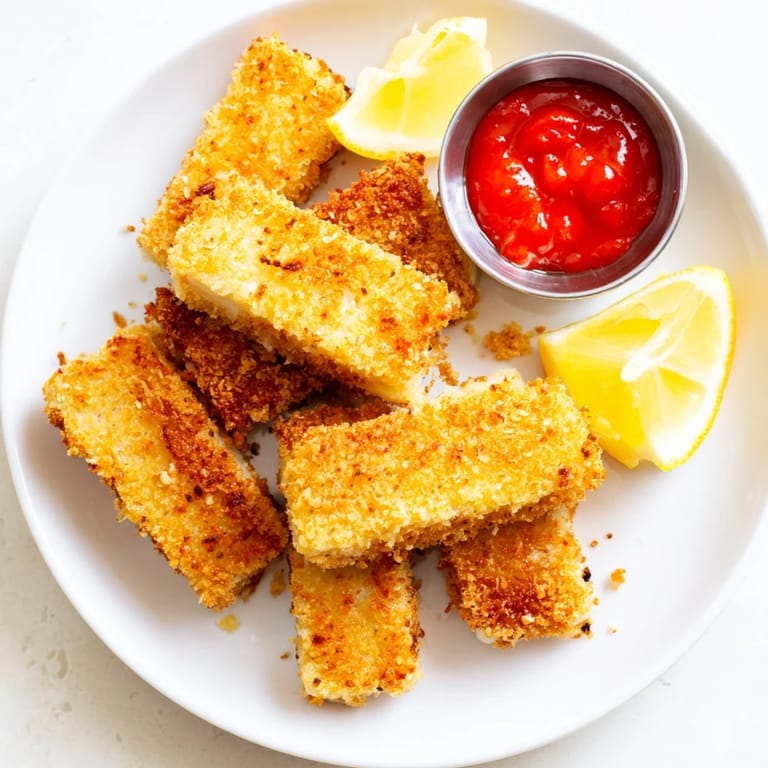 Pin
Pin This recipe reminds me that the simplest dishes often become the most memorable, and that sometimes the best cooking moments happen when you're just trying to recreate something that made you happy. Serve these with lemon and heat, and watch your kitchen become the place where people gather.
Recipe Questions
- → How do I achieve a crispy coating on the halloumi?
Coat the halloumi pieces first in seasoned flour, then dip them in beaten eggs, and finally press them into panko breadcrumbs before frying. This triple layer ensures a crisp, golden crust.
- → What type of oil is best for frying halloumi?
Use a neutral oil with a high smoke point such as sunflower or canola oil to prevent burning and achieve an even, crispy finish.
- → Can I add extra flavor to the coating?
Yes, adding spices like smoked paprika, dried oregano, or chili flakes to the flour or panko enhances the overall flavor without overpowering the cheese.
- → How should the halloumi be cut for frying?
Slice halloumi into approximately 1 cm thick batons or rectangles to ensure even cooking and ease of coating.
- → What are good serving suggestions with fried halloumi?
Serve hot with fresh lemon wedges and a spicy hot sauce for dipping. Alternatively, yogurt dip or garlic aioli complement the dish nicely.