 Pin
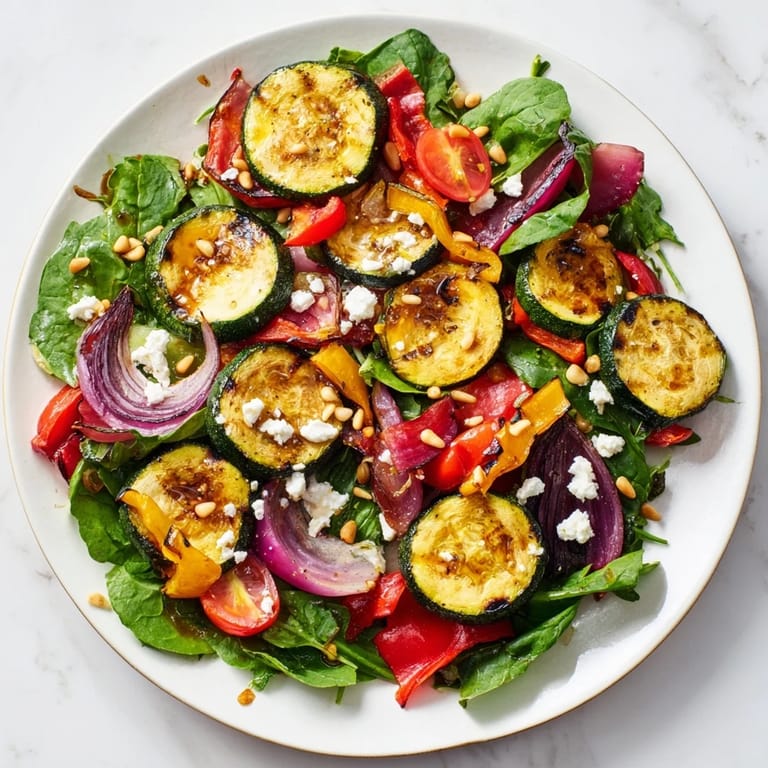
Pin There's this moment every late summer when I realize I've been ignoring the farmers market haul sitting in my crisper drawer, and I panic that the zucchini and peppers are about to turn sad. One Wednesday afternoon, instead of roasting them alone, I threw together this salad almost as an act of rescue, piling warm vegetables over greens and drizzling them with a garlicky balsamic dressing. My partner took one bite and asked why I'd never made it before. I've made it at least twice a month since.
I made this for a small potluck once where I wasn't sure if I should bring something hot or cold, so I hedged my bets and served it at room temperature on a big platter. Everyone seemed relieved to eat something that wasn't heavy, and someone asked for the recipe before they'd even finished their plate. That felt like a small victory.
Ingredients
- Zucchini: A medium one gives you enough substance without overwhelming the salad; cut it thick enough that the pieces don't disappear into nothing when roasted.
- Red and yellow bell peppers: The contrast of colors matters here, not just for looks but because you get slightly different sweetness levels that balance each other out.
- Red onion: Roasting softens its bite into something almost caramel-like, and you get these charred edges that are honestly the best part.
- Eggplant: Cut it into cubes about the same size as your peppers so everything roasts evenly; smaller pieces can get mushy.
- Cherry tomatoes: Halving them lets them caramelize without drying out completely, and you get these little bursts of sweetness throughout.
- Olive oil: Use regular olive oil for roasting and save the extra virgin for the dressing where you can actually taste its fruity notes.
- Dried Italian herbs: A teaspoon is enough; fresh herbs burn easily at high heat, so dried is your friend here.
- Mixed salad greens: Something with a bit of structure like arugula or spinach holds up better under warm vegetables than delicate lettuces.
- Extra virgin olive oil and balsamic vinegar: This is where the dressing gets its personality; don't skimp on either one.
- Dijon mustard: Just a teaspoon acts as an emulsifier, helping the oil and vinegar actually stay together instead of separating immediately.
- Garlic: One clove minced fine is perfect; any more and it becomes aggressive in a way that distracts from the vegetables.
- Honey or maple syrup: A tiny amount rounds out the acidity of the vinegar and adds a whisper of sweetness that makes everything taste more intentional.
- Pine nuts or walnuts: Toasting them yourself takes two minutes and completely changes their flavor from bland to nutty and rich.
- Parmesan or feta: A light hand with the cheese is key; you want a finishing touch, not an overwhelming addition.
Tired of Takeout? 🥡
Get 10 meals you can make faster than delivery arrives. Seriously.
One email. No spam. Unsubscribe anytime.
Instructions
- Heat your oven and get organized:
- Preheat to 425°F and line a baking sheet with parchment paper so cleanup becomes someone else's problem, or at least a much easier one. This high heat is what gives those vegetables their tender-on-the-inside, caramelized-on-the-outside quality.
- Coat everything evenly:
- In a large bowl, toss all your cut vegetables with 2 tablespoons of olive oil, the dried herbs, and a good pinch of salt and pepper. The oil should coat everything uniformly so nothing sticks or browns unevenly.
- Spread and roast:
- Lay everything out in a single layer on your baking sheet without crowding, then roast for 25 to 30 minutes, stirring halfway through. You'll know it's done when the vegetables are tender enough to pierce easily and the edges are beginning to char.
- Build the dressing while things roast:
- Whisk together 3 tablespoons of extra virgin olive oil, 2 tablespoons of balsamic vinegar, the Dijon mustard, minced garlic, honey, salt, and pepper. It should look emulsified and rich, not separated and watery.
- Layer your greens first:
- Arrange your salad greens on a platter or individual plates, giving them room to breathe. This keeps them from getting completely wilted by the warm vegetables.
- Add the warm vegetables:
- Top the greens with the roasted vegetables while they're still warm or just cooled to room temperature. The heat slightly softens the greens without cooking them into submission.
- Dress and finish:
- Drizzle the balsamic dressing over everything, then add your toasted nuts and cheese if you're using them. Serve right away so the greens don't absorb too much moisture and lose their structure.
 Pin
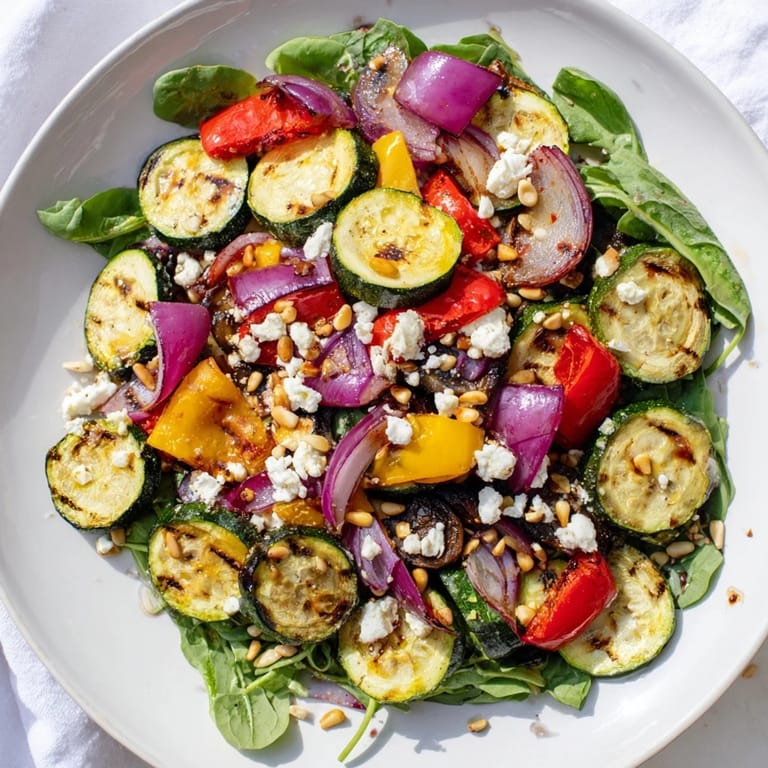
Pin What surprised me most about this dish was how it made my picky eater actually ask for seconds on roasted eggplant, which, coming from a kid who usually recoils at anything purple, felt like a minor miracle. Sometimes it's not about the fanciest ingredients, it's about letting the vegetables become their best selves through heat and a little salt.
Making It Ahead and Keeping It Fresh
You can roast the vegetables a few hours in advance and leave them at room temperature, which means you're not stressed about timing when guests arrive. The dressing keeps in a jar in the refrigerator for about a week, so you can make it whenever it feels convenient. The one thing you want to hold off on is assembling everything on the greens until just before serving, because the warm vegetables will eventually make even sturdy greens a little limp.
Variations That Actually Work
Roasted sweet potatoes or regular carrots fit seamlessly into this formula if you want more substance or have them on hand. You can also experiment with different vinegars; red wine vinegar is more assertive and works if you're pairing this with grilled chicken or fish. Some people like to add a squeeze of fresh lemon juice right at the end, which brightens everything up without changing the fundamental character of the dish.
Serving Suggestions and Storage Tips
This salad is just as good as a main course as it is a side, especially if you're adding protein like grilled chicken, chickpeas, or a soft cheese like burrata. Leftovers are excellent for packed lunches the next day because the vegetables are sturdy enough to survive in a container, and you can dress them again right before eating.
- If you're feeding vegetarians or vegans, skip the cheese entirely or use a plant-based alternative that holds up better to warm vegetables.
- Toast your nuts fresh if possible rather than using pre-toasted ones from a bag, because the flavor difference is genuinely surprising.
- Leftover roasted vegetables can become a pasta topping, a grain bowl component, or even a breakfast base with an egg on top.
 Pin
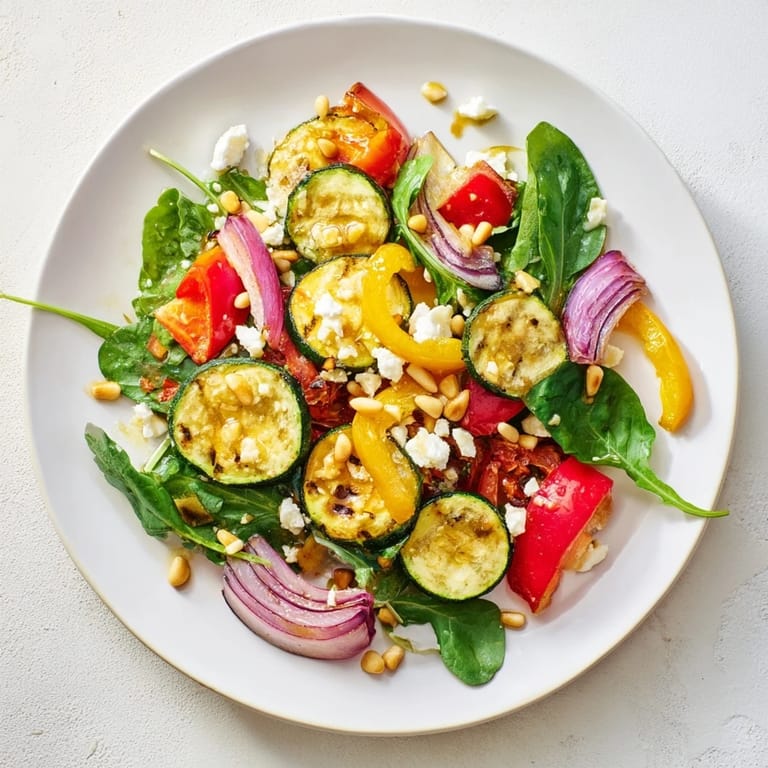
Pin This recipe feels like the intersection of care and ease, which is probably why I keep coming back to it. There's real flavor and nutrition here without any pretense.